
Unveiling the Sustainability Transition Pathways of Metal Resource-Based Cities in China
Metals serve as the cornerstone of modern consumption systems and provide a critical resource foundation for ensuring the security of industrial and supply chains, as well as the advancement of emerging industries. Amid the profound transformation of the global energy landscape, the capacity of metal resources to bolster the low-carbon transition of energy systems has garnered worldwide attention. Concurrently, achieving sustainable development in mining cities represents a pressing global challenge, particularly for resource-dependent economies such as China. However, intensive mineral resource extraction has confronted China’s Metal Resource-Based Cities (MRBCs) with severe sustainability hurdles, with over half of these cities currently in a state of recession. Consequently, driving the structural transition of MRBCs has become exceptionally urgent. By applying an improved Inclusive Wealth Index (IWI) in conjunction with a geographical detector model, this study establishes a sustainability assessment framework tailored to the hierarchy of China’s resource-based cities. It systematically dissects the spatiotemporal evolution of sustainable development capacity across 17 representative MRBCs, reveals the spatial heterogeneity of inclusive wealth and its capital structure, and identifies the core driving factors and their interactions influencing sustainability evolution. Through a comparative analysis of the evolutionary trajectories and corresponding indicators of MRBCs at different life-cycle stages, this research proposes differentiated urban governance strategies rooted in life-cycle theory. The findings offer practical significance for China’s resource-based cities in breaking the “resource dependence trap,” advancing high-quality industrial transition, and building resilient cities. Furthermore, they provide a vital theoretical basis and practical reference for global mining cities exploring new paradigms of sustainable development within the context of the energy transition.
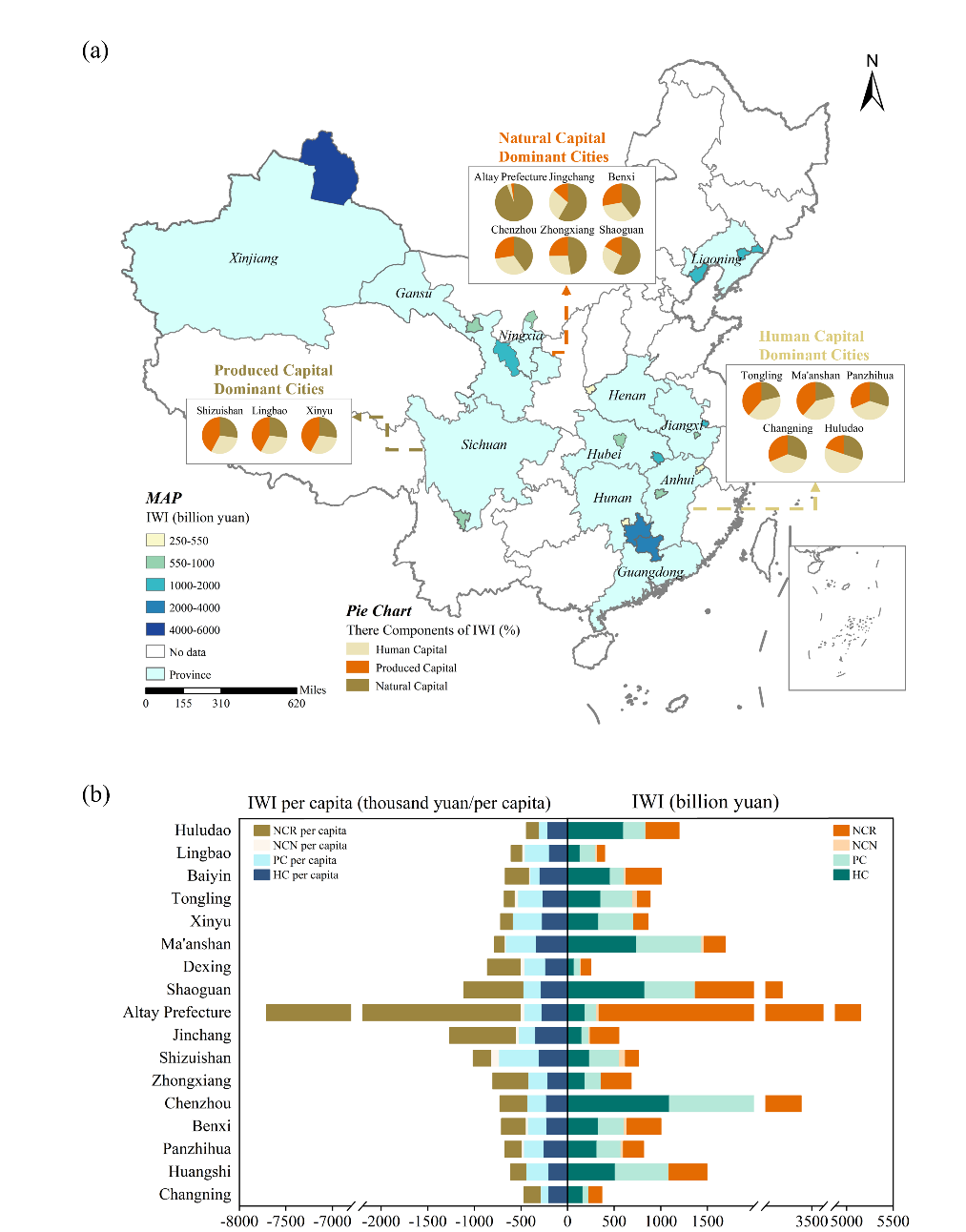
Figure 1. Inclusive wealth of 17 metal resource-based cities and urban clusters dominated by three types of capital in 2021.
Research findings indicate that in 2021, significant disparities existed in the inclusive wealth of various MRBCs, with the highest value nearly twenty times that of the lowest, revealing a severe imbalance in wealth distribution. Based on the dominant type of capital structure, these cities can be categorized into three clusters: Natural capital-dominated cities comprise the majority, with an average natural capital share as high as 54.6%. These are primarily distributed across Central-South and Northwest China, exhibiting a heavy reliance on initial resource endowments. In human capital-dominated cities, while the share of human capital is relatively high, total and per capita wealth levels remain generally low, suggesting that human capital alone struggles to compensate for deficiencies in other capital forms. Produced capital-dominated cities are few in number and mostly consist of recessionary cities, which further impedes productivity enhancement and sustainable development.
Between 2011 and 2021, the inclusive wealth of MRBCs—with the exception of Huludao—showed an upward trend, with an average annual growth rate of 2.8%. During this period, produced capital served as the primary driver toward sustainability. However, specific growth patterns varied significantly across cities: produced capital contributed prominently as a main driver, yet its total volume remains insufficient in many localities. Human capital played a pivotal role in boosting wealth in recessionary cities, though some of these cities face constraints due to “brain drain.” Natural capital exerted a significant yet heterogeneous influence on the wealth of resource-dependent cities. The application of the geographical detector model further identifies renewable natural capital as the core driver influencing the spatial differentiation of inclusive wealth. Simultaneously, the influence of intangible assets is steadily rising, while the explanatory power of traditional capital has diminished substantially, reflecting a shift in the developmental momentum of MRBCs from traditional factors toward innovation- and knowledge-driven growth.
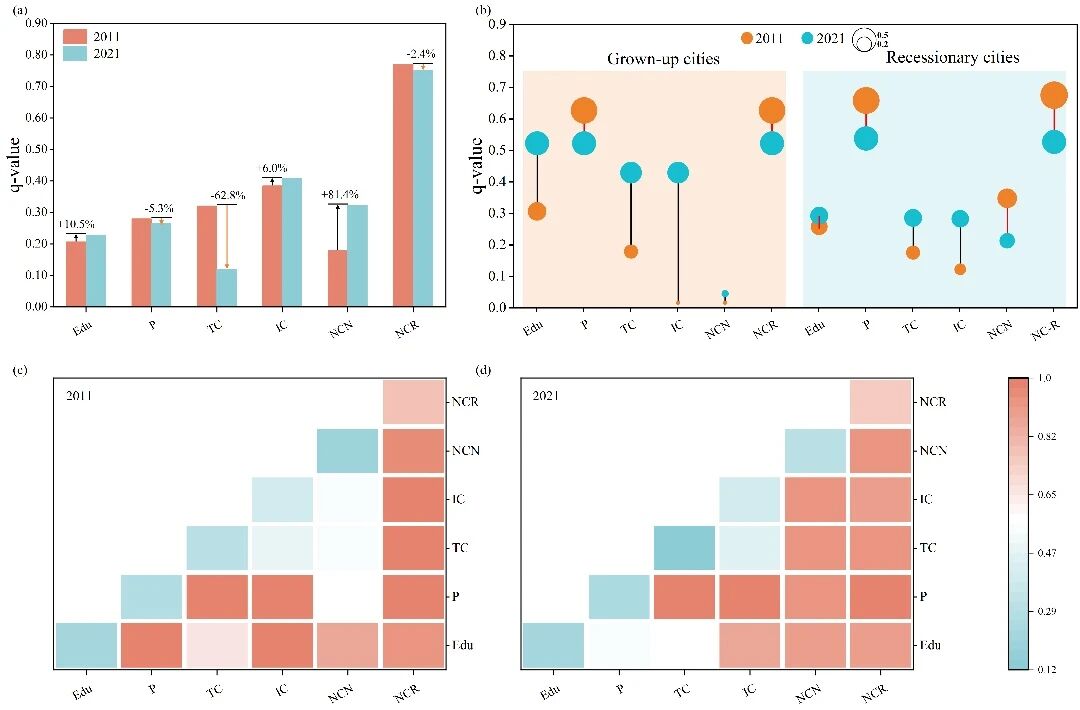
Figure 2. Analysis of the driving factors of sustainable development capacity in metal resource-based cities using a geographic detector model.
Given the role of metal resources in modern industrial systems, global demand is expected to remain high over the long term. By objectively measuring the well-being and evolutionary processes of MRBCs, this framework not only supports adaptive developmental decision-making at the current stage but also provides policy guidance for cities at different life-cycle stages in their future transitions toward sustainability. Specifically, the model for sustainability enhancement in mature cities involves a gradual reduction in dependence on natural resources and a shift toward a human capital-driven economy. Growing cities, characterized by resource abundance but singular capital structures, should focus on extending industrial chains and increasing technical added value to avoid the “value chain lock-in effect.” Recessionary cities, which exhibit poorer overall sustainability, lower capital productivity, and weak endogenous growth momentum, should actively promote the development of a circular economy. Emphasis should be placed on the recovery and reuse of highly recyclable metals, such as steel and aluminum, to foster the “urban mining” industry. Regenerative cities, situated at a critical “crossroads” of revival, require sustained policy and financial support to cultivate alternative industries and urban services. By leveraging new technologies such as the digital economy and artificial intelligence to empower traditional sectors, these cities can achieve transitions characterized by “digitalization and greening” as well as “intelligence and decarbonization.”
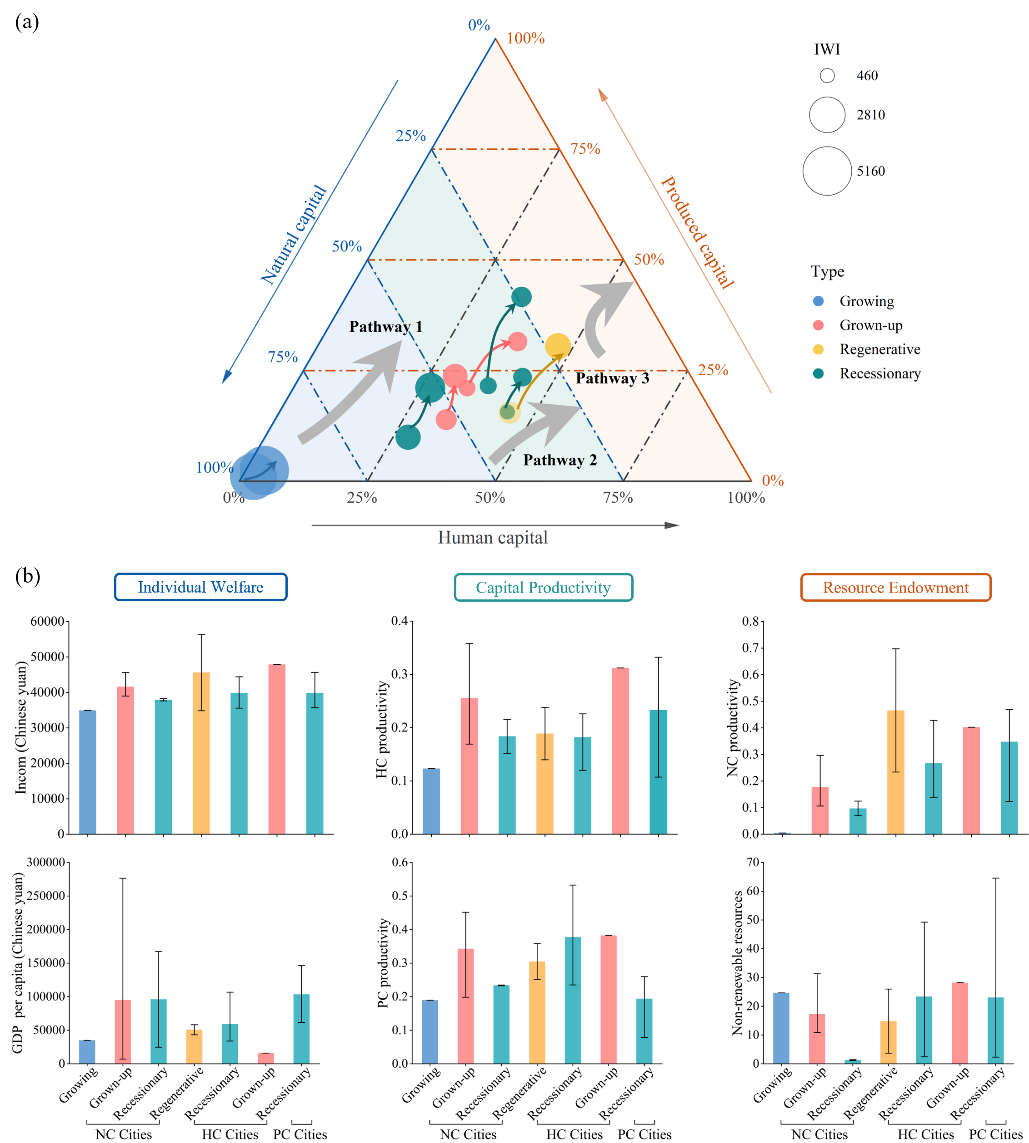
Figure 3. Dynamic evolution of sustainable development capacity of China's metal resource-based cities from 2011 to 2021.
The United Nations 2030 Agenda for Sustainable Development outlines 17 Sustainable Development Goals (SDGs), in which cities play a vital role. Currently, the Shanghai Key Laboratory of Urban Design and Urban Science (LOUD) is committed to collaborating with scholars from various domestic and international universities and institutions to conduct in-depth research and discussions on typical issues arising during urban development and the potential directions for the transition of different city types. The socio-ecological coordination and sustainable development of ecologically sensitive areas are focal points of socio-ecological research and represent frontier topics in contemporary urban studies. The socio-ecological challenges faced by the sustainable development of different city types are highly complex and volatile, necessitating timely longitudinal research and dynamic monitoring assessments. This includes hyper-growth cities like Shanghai, as well as coastal and littoral regions, all of which urgently require sustainability assessments within the realm of urban socio-ecology. Such efforts provide management and decision-making support for exploring a Chinese model of urban modernization characterized by the harmonious coexistence of humanity and nature, as well as global and regional sustainable development strategies.
This research was conducted through a collaboration between the team of Professor Guan Chenghe from the Shanghai Key Laboratory of Urban Design and Urban Science and Professor Zhang Bo from the School of Management at Xiamen University. It has been published in Humanities & Social Sciences Communications (HSSC), the only Nature Portfolio journal dedicated to the humanities and social sciences, under the title “Revealing the sustainability transitions in China’s metal resource-based cities.” Xi Siwei, a PhD student from the China University of Mining and Technology (Beijing), is the lead author, and Assistant Professor Yan Kejia from the City University of Macau (Macao Millennium College) is the second author. This study received support from the National Natural Science Foundation of China, the Environmental Defense Fund (EDF), the Fundamental Research Funds for the Central Universities, the Shanghai Nature and Health Foundation, the Shanghai Thousand Talents Program (Eastern Scholar), the Overseas High-Level Young Talents Recruitment Program, the Climate Change Initiative Seed Grant, the Pudong Mingzhu Program Leading Project, and the Shanghai Municipal Education Commission (AI-Driven Research Paradigm Reform and Discipline Empowerment Key Project).
Article Citation:
Xi, S., Yan, K., Zhang, B., & Guan, C. (2025). Revealing the sustainability transitions in China’s metal resource-based cities. Humanities and Social Sciences Communications, 12, 1717. https://doi.org/10.1057/s41599-025-05980-9
- 74 views