
Pooling Wisdom, Creating the Future: The “Beautiful China · Smart Cities” 2025 Annual Conference of the Shanghai Key Laboratory of Urban Design and Urban Science Concludes Successfully in Shanghai
In active response to China’s national strategy for digital development and in alignment with the guiding visions of “Beautiful China” and “new quality productive forces,” a high-level academic event focused on transformative paradigms for future urban development—the “Beautiful China · Smart Cities” 2025 Annual Conference of the Shanghai Key Laboratory of Urban Design and Urban Science—was grandly inaugurated on November 14, 2025, at the Fuxing Cloud Hall, Shipyard PARK, Fuxing Island in Yangpu District, Shanghai.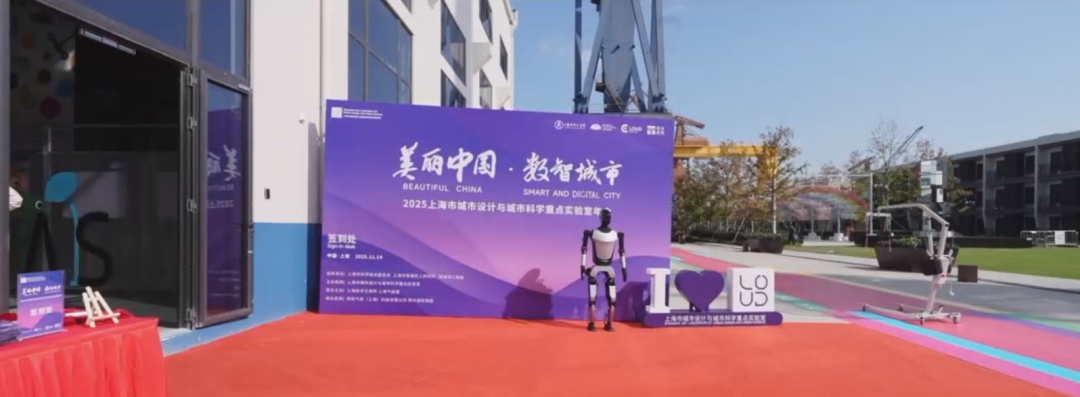
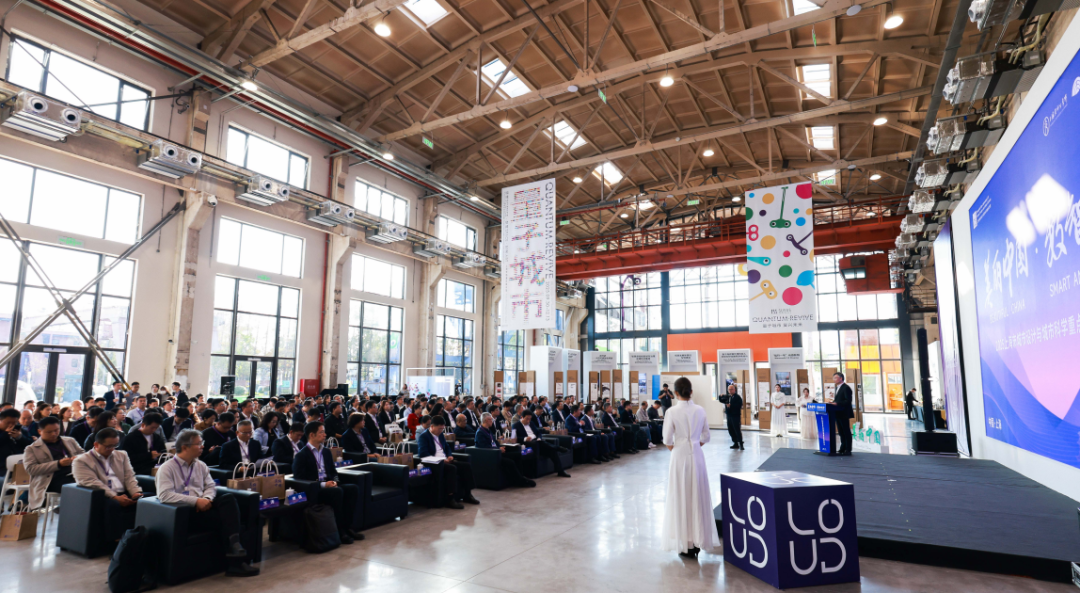
As the third annual conference of the Shanghai Key Laboratory of Urban Design and Urban Science, this year’s event was organized under the guidance and support of the Shanghai Municipal Science and Technology Commission and the People’s Government of Yangpu District. It was co-hosted by the Key Laboratory together with the Shanghai Technology Exchange and Shanghai Climate Week, and organized by Liang Climate and Tongmu Architecture Group. Bringing together leading figures from government, industry, academia, and research, the forum served as a high-level platform for dialogue and collaboration in the field of smart and digital city development, fostering discussions on innovative pathways through which digital technologies and artificial intelligence can drive high-quality urban development.
I. Leadership Remarks: Charting the Blueprint for a Smart and Digital Future
The forum opened with remarks from several distinguished leaders, who outlined key directions for advancing urban digitalization.
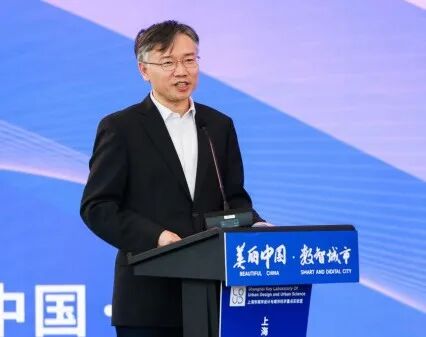
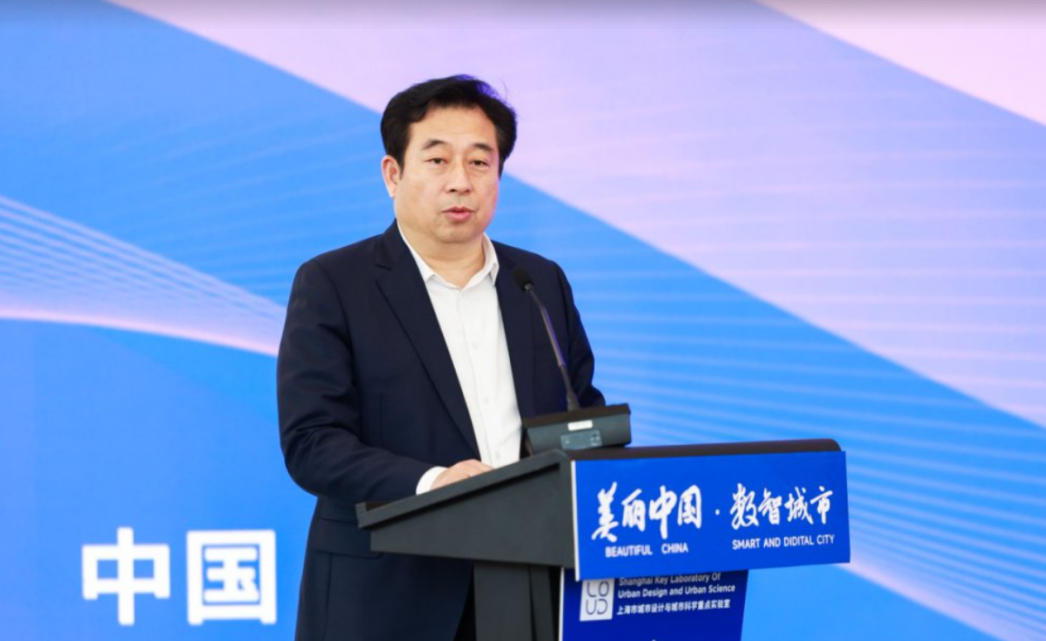
Luo Dajin, Director of the Shanghai Municipal Science and Technology Commission, noted that the forum provides a distinctive platform for exchange, empowering Shanghai’s urban transformation through scientific and technological innovation. He emphasized that Shanghai is accelerating its development as an international science and technology innovation center, continuously strengthening its capacity for original innovation and its role in guiding high-end industries. In 2025, Shanghai ranked first nationwide in the Comprehensive Urban Science and Technology Innovation Index. He expressed the hope that the Laboratory will actively engage in global cooperation, carry out research on lightweight urban systems, and contribute innovative momentum to the modern governance and high-quality development of megacities.
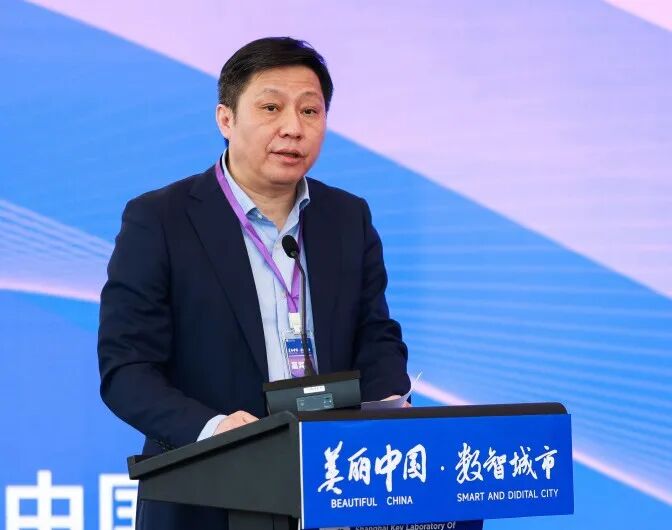
Shanghai’s Deputy Party Secretary and District Mayor of Yangpu, Zhou Haiying, expressed his delight that the forum was held along the Yangpu Waterfront. He noted that Yangpu is currently advancing toward its strategic vision of becoming a “Digital-Intelligence Island, Design & Arts Island, and People-Centered Urban Island,” and is fully committed to building Fuxing Island into an international hub for innovation and entrepreneurship characterized by low costs, rapid innovation cycles, and openness. The theme of this year’s forum aligns closely with Yangpu’s development strategy. He expressed hope for deeper collaboration with experts, scholars, institutional representatives, and industry partners to jointly ignite a “new engine” for the high-quality development of smart and digital cities.
Xiao Youhua, Member of the Standing Committee of the Heze Municipal Party Committee, Secretary-General, and Minister of the United Front Work Department, expressed his gratitude for the learning and exchange opportunities offered by the forum. He noted that as a developing city, Heze is actively seizing the opportunities of green and low-carbon transformation and vigorously fostering new energy industries such as photovoltaics and biomass energy. He looks forward to deepening cooperation with all parties to explore smart and digital development pathways suited to local conditions.
II. Expert Perspectives: Advancing Sustainability and Exploring New Pathways for Smart and Digital Development
During the expert remarks session, leading authorities from across the sector shared forward-looking insights on smart-city development, addressing themes such as green transition, international collaboration, and research innovation.
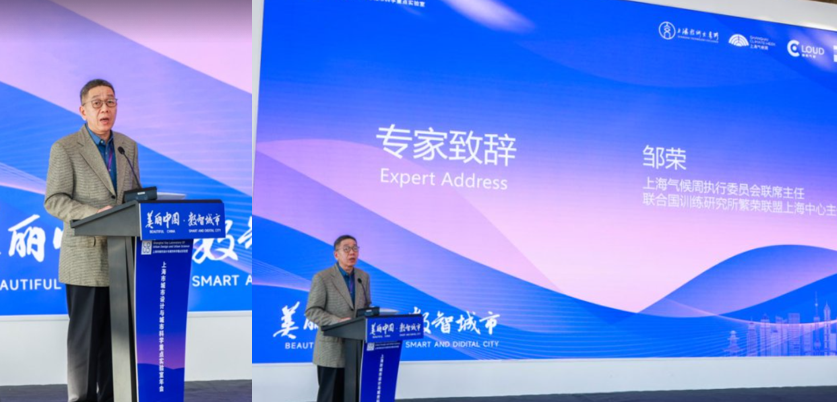
Zou Rong, Co-Chair of the Executive Committee of Shanghai Climate Week, emphasized that the “Beautiful China” Forum serves as a key platform for building consensus on green development. She noted that digital and intelligent technologies are injecting new momentum into low-carbon transformation, and called for breaking down disciplinary barriers to promote deeper integration between green innovation and urban practice.
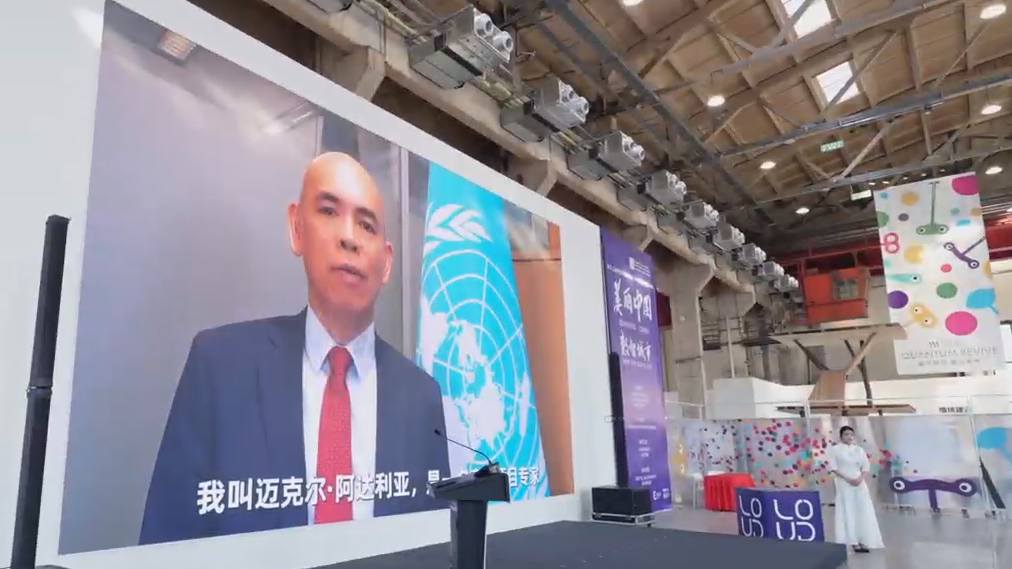
Michael Aïda, Deputy Director of the Division for Prosperity at the United Nations Institute for Training and Research (UNITAR), delivered his remarks via video link from the United Nations Headquarters in Geneva. He emphasized that digital technologies are a vital enabler for achieving the Sustainable Development Goals, and noted that UNITAR will continue to advance global green transition through capacity-building initiatives. He expressed hope for deeper international cooperation to jointly foster an inclusive and resilient sustainable urban future.
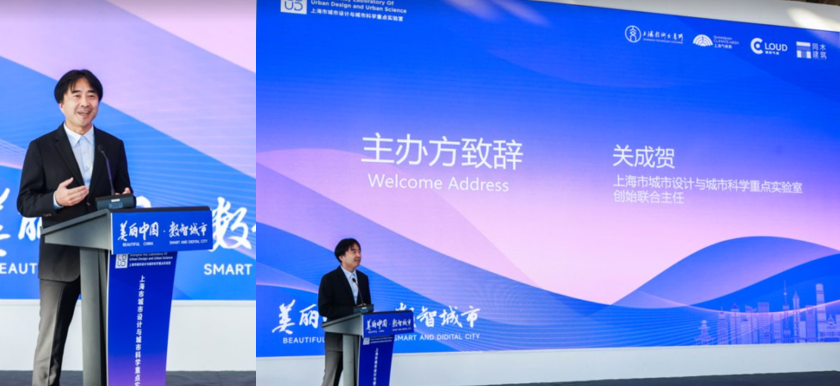
Professor Chenghe Guan, Founding Co-Director of the Shanghai Key Laboratory of Urban Design and Urban Science, reflected on the three-year development of the LOUD platform in his remarks on behalf of the organizers. He emphasized that the Laboratory has remained committed to interdisciplinary research and practical exploration in urban science. This year’s forum, he noted, is not only a venue for intellectual exchange but also “an accelerator for knowledge transfer and industry collaboration.”
III. Thematic Presentations: Exploring Frontiers and Mapping New Paradigms for Smart and Digital Cities
During the thematic presentation session, six experts and scholars outlined innovative pathways for smart and digital city development, addressing dimensions such as technological frameworks, industrial applications, and innovative concepts.
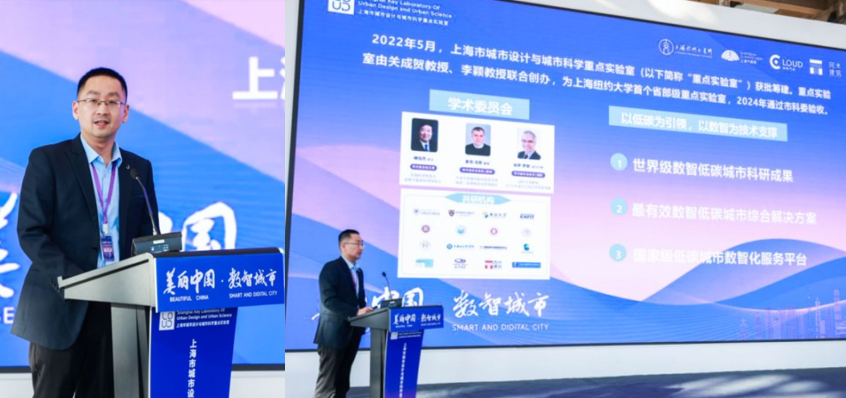
Zhou Wei, Executive Deputy Director of the Shanghai Key Laboratory of Urban Design and Urban Science, provided a systematic overview of the latest progress in the Laboratory’s “ABC” research framework:
·A (AI-enabled Smart Cities) focuses on urban governance collaboration networks and digital twin technologies;
·B (Climate-Resilient Blue-Green Cities) advances ecological projects such as climate-adaptive urban parks;
·C (Low-Carbon Cities through Green and New Energy Transformation) explores innovative urban carbon reduction pathways.
The Laboratory’s practical achievements in areas such as “Three Cities” digitalization and “Three Zones” low-carbon development demonstrate a deep integration of research and urban practice.
(Founded jointly by Professors Guan Chenghe and Li Ying, the Laboratory is Shanghai New York University’s first provincial- and ministerial-level key laboratory. It was approved for establishment in May 2022 and successfully passed the Shanghai Municipal Science and Technology Commission’s evaluation in 2024.)
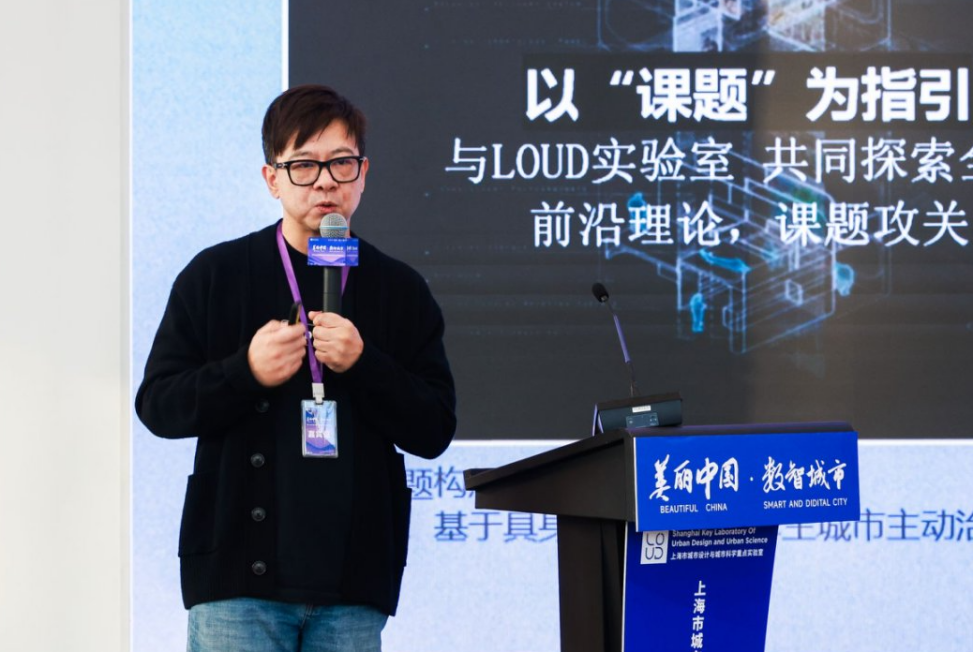
Zhou Jian, Founder of UBTECH Robotics, outlined the development blueprint for humanoid robots, noting that they have become a significant hallmark of the intelligent era. He highlighted the “Robotics Urbanization” theoretical framework co-developed with the Laboratory, emphasizing plans for in-depth collaboration on digital twin–enabled urban governance and robotic application standards. The partnership aims to build a comprehensive ecosystem spanning from theoretical research to industrial implementation.
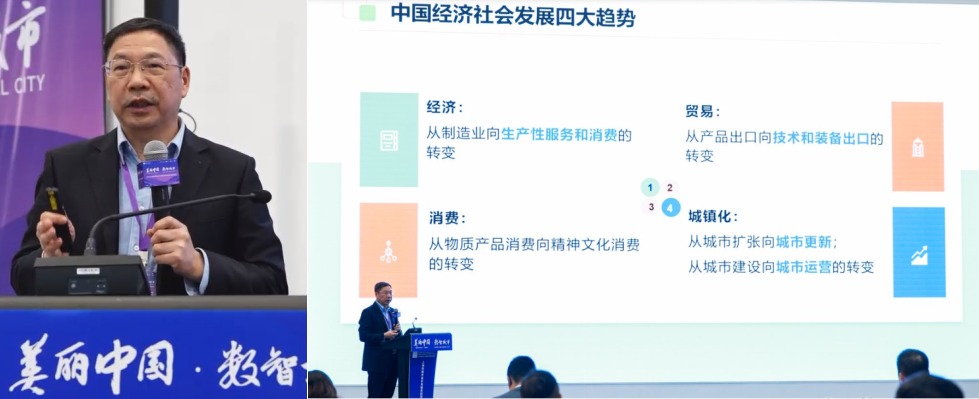
Professor Du Huanzheng from Tongji University illustrated the role of digital technologies in promoting the circular economy through examples such as Nike’s “Reuse-A-Shoe” program and intelligent urban sanitation systems. He emphasized that under China’s “dual-carbon” goals, the resource recycling industry holds broad prospects, with digitalization serving as a key enabler to overcome industry bottlenecks.
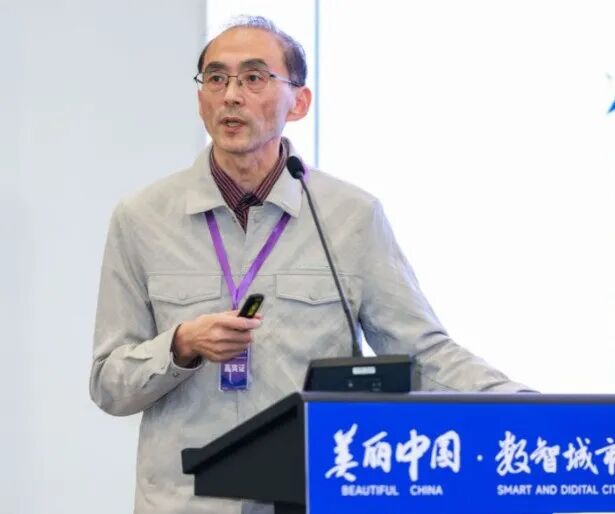
Professor Hong Yiguang from Tongji University analyzed the development opportunities of the low-altitude economy and provided a detailed introduction to the “Five-Network” framework for low-altitude intelligent networks. His team’s innovative achievements in intelligent sensing and collaborative decision-making offer robust technological support for airspace management and commercial applications.
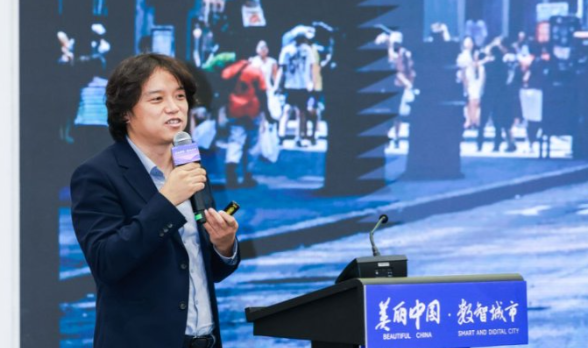
Yu Chuan, Founder of PIX Mobile Space, proposed the innovative concept of the “Second Invention of the City.” He suggested that AI and autonomous driving will drive the evolution of cities from a “road network” to a “spatial network,” where programmable mobile spaces will transform urban services from fixed locations into schedulable resources, reshaping the logic of urban operations.
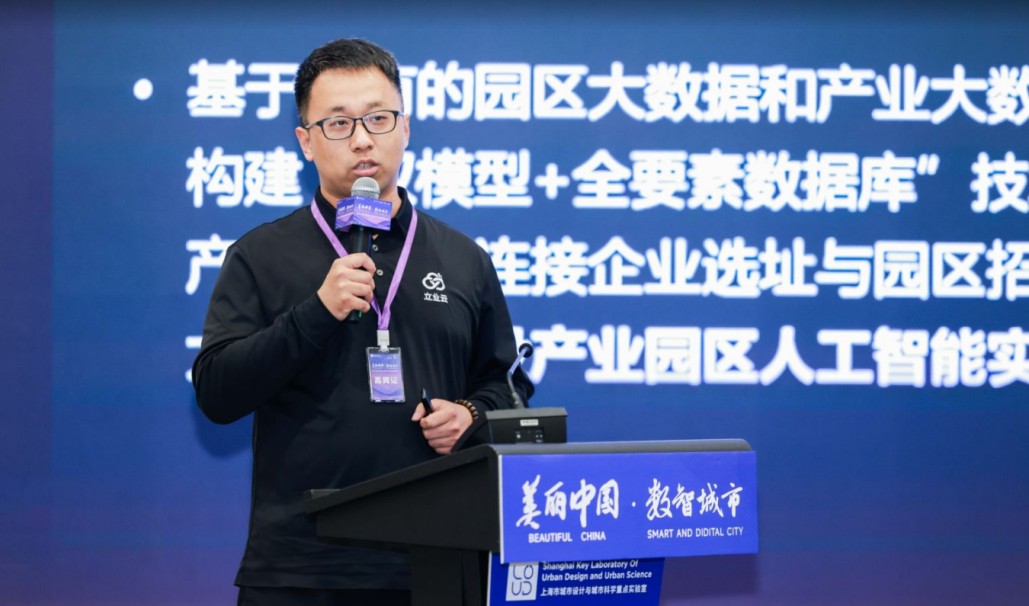
Zhao Hongyu, CEO of Liyeyun, showcased practical applications of AI in industrial park development. By leveraging a site-selection model and an investment-attraction model, the platform achieves precise alignment between industrial resources and spatial assets. The system has been successfully implemented in multiple regions across China, demonstrating the significant value of digitalization in enhancing resource allocation efficiency.
IV. Achievements in Practice: Dual Momentum of Signing and Announcements Strengthens the Foundation for Collaboration
The forum yielded substantial outcomes, with multiple strategic cooperation agreements and key project announcements taking place simultaneously, injecting tangible momentum into smart and digital city development.
1. Key Laboratory × UBTECH Robotics: The two parties reached a strategic cooperation agreement on the “Robotics Urbanization” project, appointing Zhou Jian as the project lead for the Laboratory’s “Smart and Digital Cities” initiative. Founded in 2012, UBTECH Robotics is a global leader in humanoid and intelligent service robots, and developed China’s first commercially available, full-sized bipedal humanoid robot. The company was listed in Hong Kong in 2023 and has successfully deployed robots across multiple scenarios including industrial manufacturing, commercial services, and intelligent elderly care, as well as forming collaborations with several automotive manufacturers.
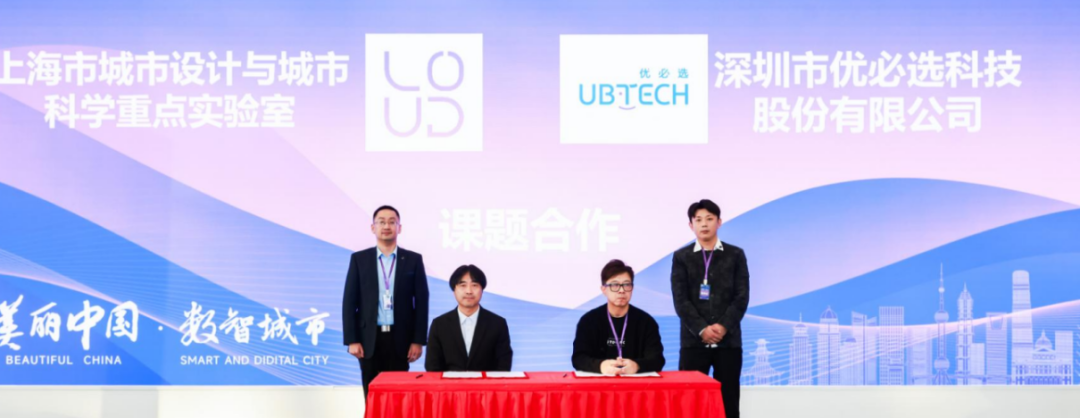
Following the signing, UBTECH Robotics shared the jointly developed “Robotics Urbanization” theoretical framework and practical roadmap with the Key Laboratory. Through collaborative innovation across industry, academia, research, and application, the partnership aims to explore a future in which robots are deeply integrated into urban environments, contributing to the development of a new paradigm for intelligent cities characterized by human–machine collaboration.
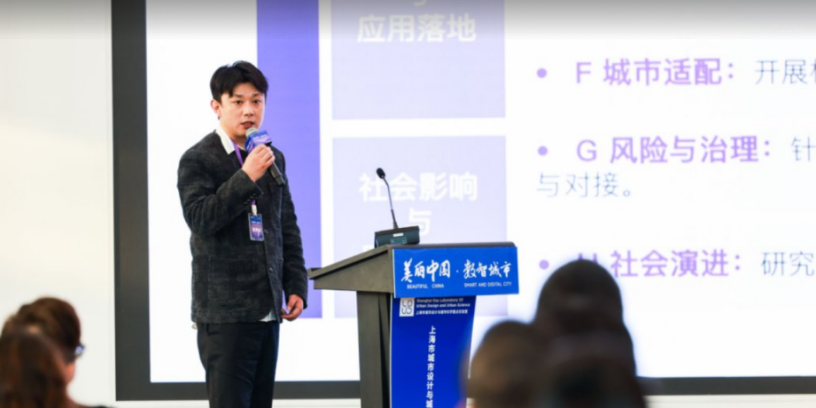
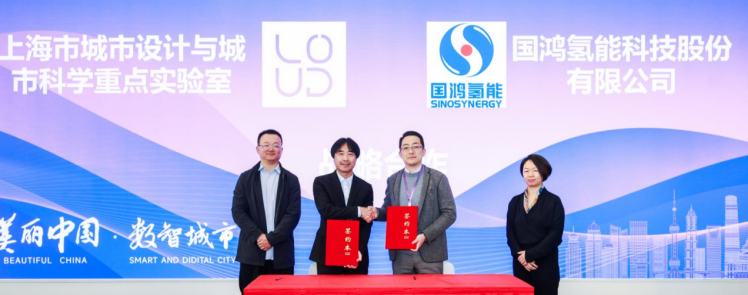
2. Key Laboratory × Guohong Hydrogen Energy: The two parties established a strategic partnership focusing on hydrogen energy applications. Founded in 2015, Guohong Hydrogen Energy is a high-tech enterprise specializing in hydrogen energy equipment technologies. Its core products include fuel cell stacks, systems, and hydrogen production equipment. As one of the first companies in China to achieve large-scale fuel cell production, Guohong was listed on the main board of the Hong Kong Stock Exchange in 2023. The company leads the industry in production scale, market share, vehicle deployment, and regional coverage, with products serving sectors such as transportation, shipping, and power generation, and reaching international markets. The collaboration aims to promote innovative applications of hydrogen technology in urban green development, contributing to the realization of a low-carbon future.
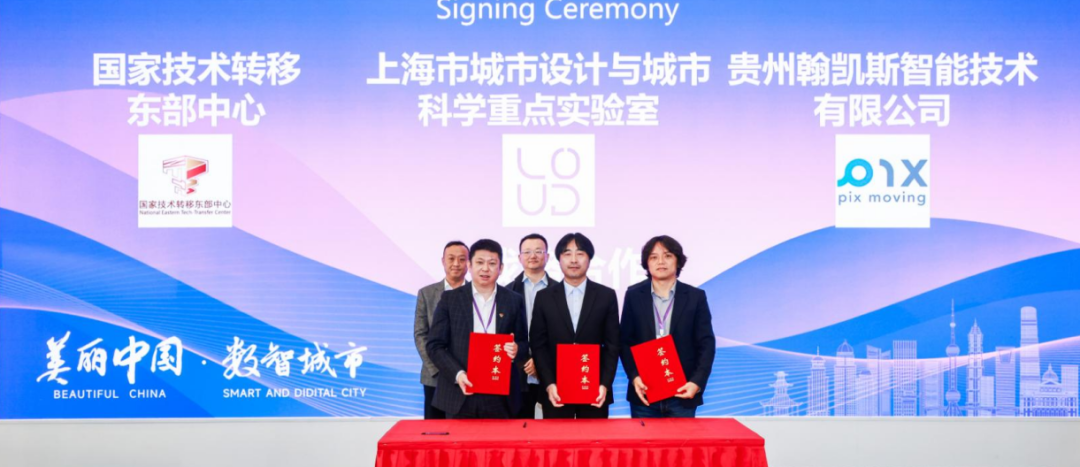
3. Key Laboratory × PIX Mobile Space × National Technology Transfer Eastern Center: The three parties reached a strategic cooperation agreement on the promotion of autonomous driving. PIX, a global leader in autonomous vehicle manufacturing, has deployed its self-developed Robobus in multiple countries, leveraging digital manufacturing and L4-level autonomous driving technologies to transform urban smart mobility. The National Technology Transfer Eastern Center, jointly established by the Ministry of Science and Technology and the Shanghai Municipal Government, serves as a national-level technology transfer platform, aggregating global innovation resources and building a comprehensive ecosystem for technology commercialization, industry collaboration, and talent development. The collaboration will integrate resources around “Robotics Urbanization” and “autonomous driving applications” to explore intelligent mobility solutions for future cities.
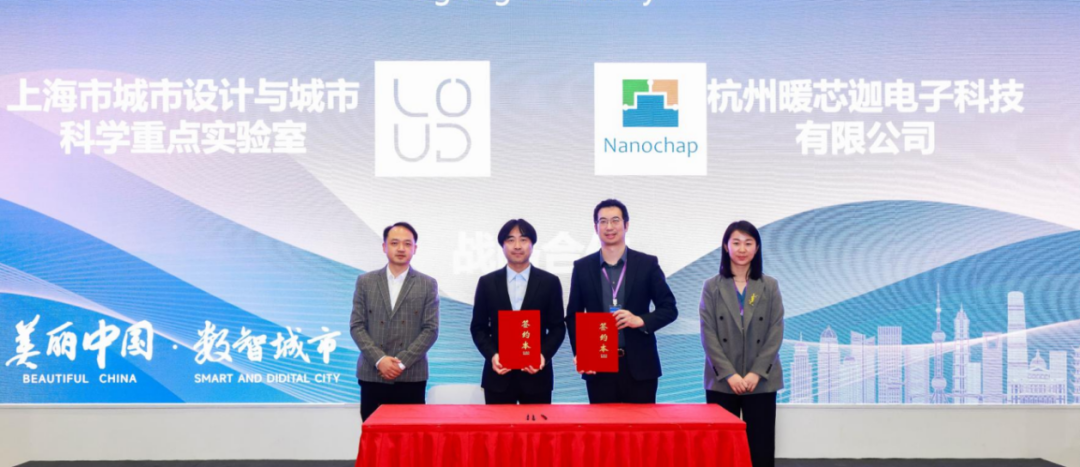
4. Key Laboratory × Nuanxinjia: The partnership focuses on chip technology. Hangzhou Nuanxinjia Electronics Co., Ltd. is a high-tech enterprise specializing in high-resolution brain–computer interfaces and biochip development, with internationally leading capabilities in neural stimulation, biosensing, and AI-driven healthcare. Its self-developed chips have been widely applied in medical rehabilitation, smart wearables, and health monitoring. The collaboration will integrate the Laboratory’s research on urban systems with Nuanxinjia’s cutting-edge technologies to advance the integrated development of “smart health and smart cities.”
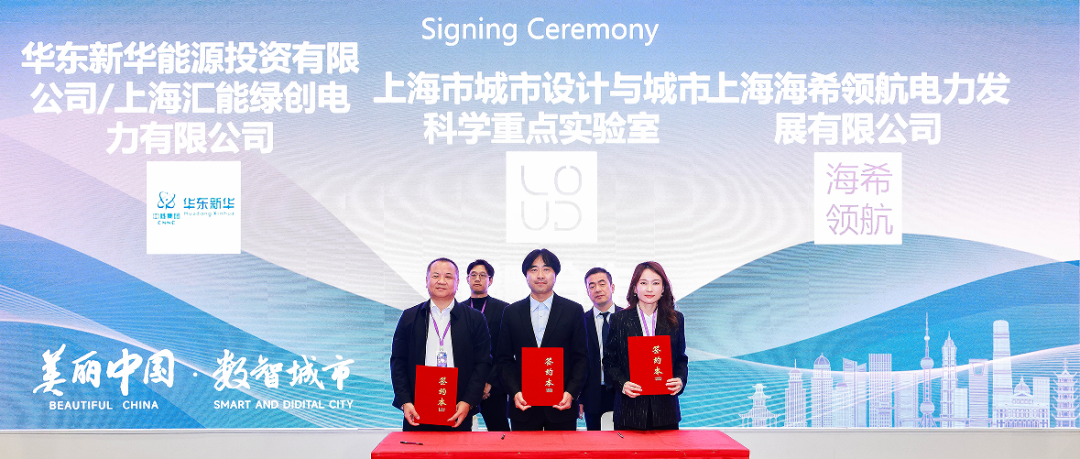
5. Key Laboratory × East China Xinhua Energy / Huineng Green Power × Haisi Leading Power: The three parties established an in-depth collaboration on green energy. East China Xinhua Energy, affiliated with China National Nuclear Corporation, is a leading domestic clean energy investment and operations company, with businesses spanning wind power, photovoltaics, energy storage, and hydrogen energy. Haisi Leading Power is a comprehensive service provider specializing in advanced power storage systems, possessing full-chain R&D and production capabilities from cells and modules to complete storage systems, with products applied in industrial and commercial energy storage, grid-side applications, and smart energy management. The collaboration will coordinate efforts in urban energy planning, green and low-carbon infrastructure, and energy storage technology deployment, exploring sustainable energy solutions for future cities.
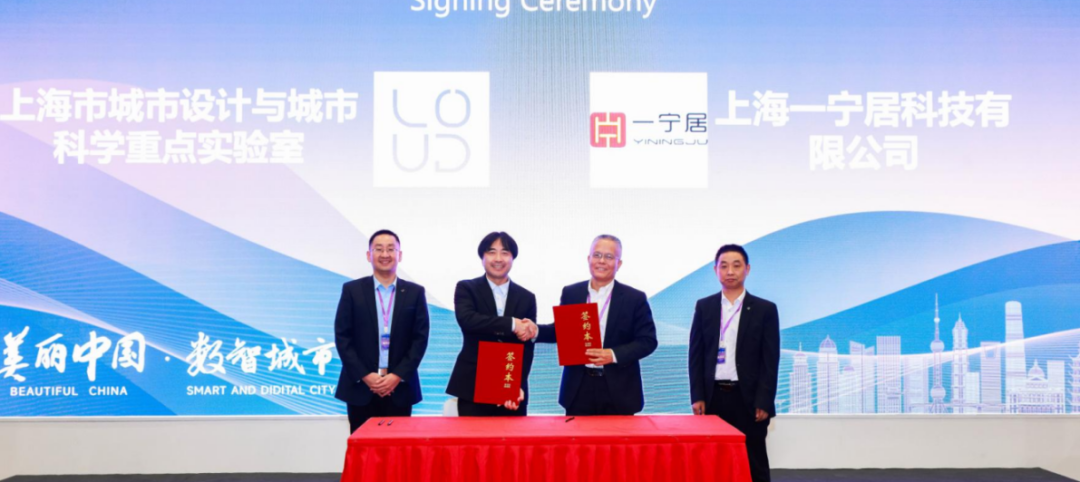
6. Key Laboratory × Yiningju: The two parties established multiple strategic collaborations in areas such as building energy efficiency. Founded in 2019, Shanghai Yiningju Information Technology Co., Ltd., together with Shanghai Pujiang Digital Chain, developed the “Urban Health Check and Smart City Renewal Security—Chengshulian” platform, and is recognized as a pilot demonstration unit for the “Industrial Internet + Industrial Supply Chain” initiative by the Ministry of Industry and Information Technology. Leveraging technologies including AI, blockchain, big data, and the Internet of Things, the company has built a smart infrastructure for waterproof building materials and construction safety, enabling precise matching and coordinated evolution of ecosystem resources, thereby enhancing efficiency and quality across the entire construction safety value chain.
V. Key Project Announcements: Empowering Industry Development and Providing Practical References
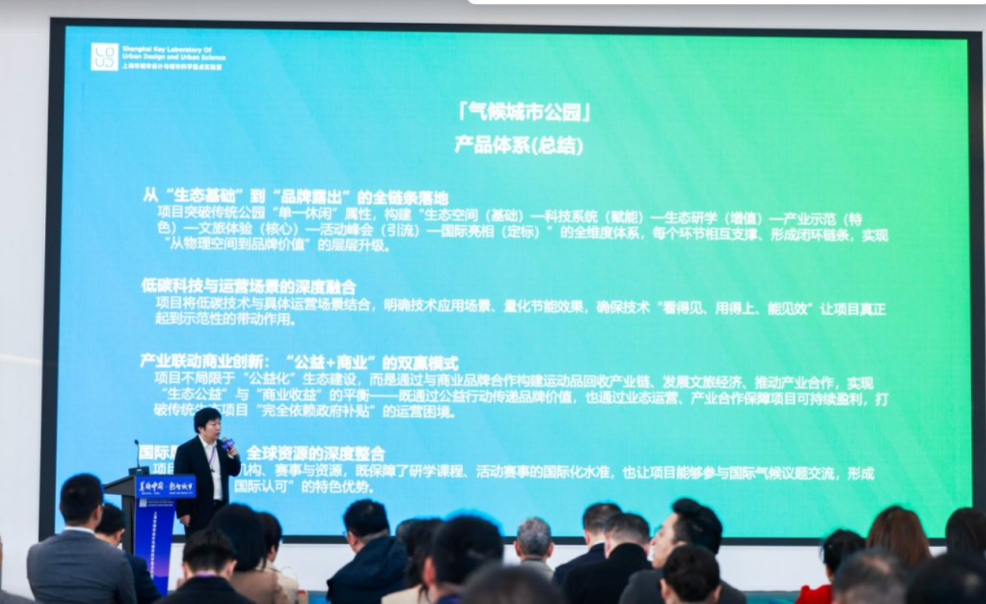
1. “Climate Urban Park 2.0”: Jointly launched by the Key Laboratory, Shanghai Climate Week, and Tongmu Green Carbon, this initiative systematically presents the product system of the project as an internationally recognized, innovation-driven ecological IP.
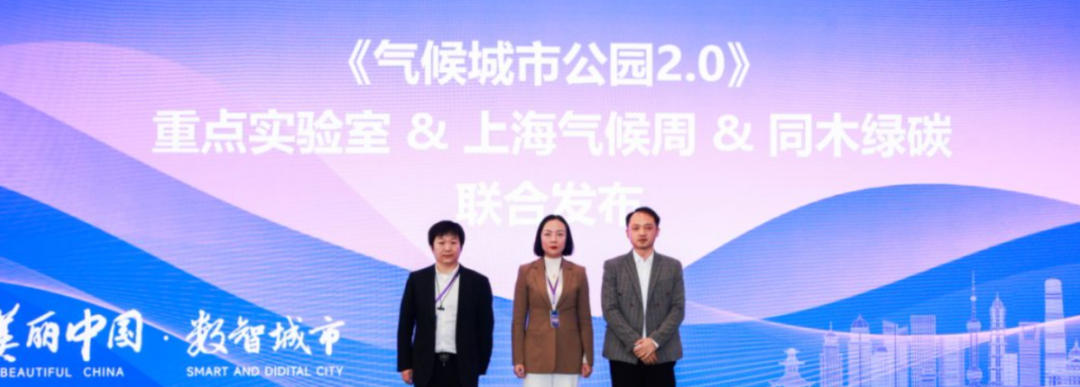
The system goes beyond the traditional “single-purpose leisure” function of parks, establishing a comprehensive closed-loop framework encompassing “Ecological Space (Foundation) – Technology Systems (Enablement) – Ecological Education & Research (Value-Add) – Industrial Demonstration (Distinctive Feature) – Cultural & Tourism Experience (Core) – Events & Summits (Traffic Generation) – International Exposure (Benchmarking)”, achieving multi-layered upgrades from physical space to brand value. It also promotes deep integration of low-carbon technologies with operational scenarios, clarifies application contexts and energy-saving outcomes, and breaks the traditional dependence of ecological projects on government subsidies through a “public welfare + commercial” dual-win model, while integrating global resources to enhance international influence.
2. “Blue Book on the Development of the Southeast Asian Digital Consumer Industry”: Today, the “Southeast Asia · Digital Consumer Credit Industry Development Blue Book” was officially released. The report was jointly compiled by the Shanghai Key Laboratory of Urban Design and Urban Science and Xinye Technology Group, aiming to provide Chinese technology enterprises with key references for expanding into the Southeast Asian market. Currently, Southeast Asia is emerging as a major destination for China’s digital economy overseas. The report notes that Chinese companies have successfully localized innovative technologies, standards, and business models in the region.
As a co-compiler of the report, Xinye Technology is among the earliest Chinese fintech companies to expand abroad. Since 2018, its deep local operational experience in markets such as Indonesia and the Philippines has provided valuable frontline insights and case support for this report. The analysis suggests that, driven by the “Digital Silk Road,” the Southeast Asian digital economy holds broad prospects. Going forward, building interconnected digital credit infrastructure, enhancing financial inclusion, and promoting the integration of green finance with digital credit will be key directions for industry development. The Blue Book aims to offer useful guidance for deepening cooperation and creating win-win opportunities between Chinese enterprises and Southeast Asian countries.
VI. Roundtable Forum: Exchanging Ideas and Exploring the Future of Smart and Digital Health
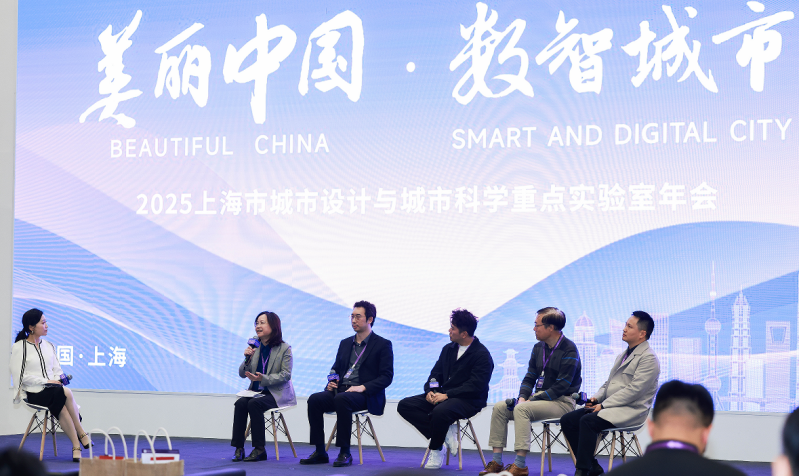
A roundtable discussion on “Smart and Digital Health · Data Empowerment: Integrating Big Data and Intelligent Healthcare Innovation” was moderated by financial commentator and Founding Partner of Bailian Zhigao Capital, Cai Danfeng. Participants included Jiang Liping, Director of the Nursing Department at Xinhua Hospital, Shanghai Jiao Tong University School of Medicine; Yang Jiawei, Chairman and General Manager of Hangzhou Nuanxinjia Electronics Co., Ltd.; Cheng Yichun, Vice President of Investments at Xingze Capital; Zhu Haizhou, Vice President of Zhejiang Herun Technology Co., Ltd.; and Chen Jing, Founder of Yijin Health.
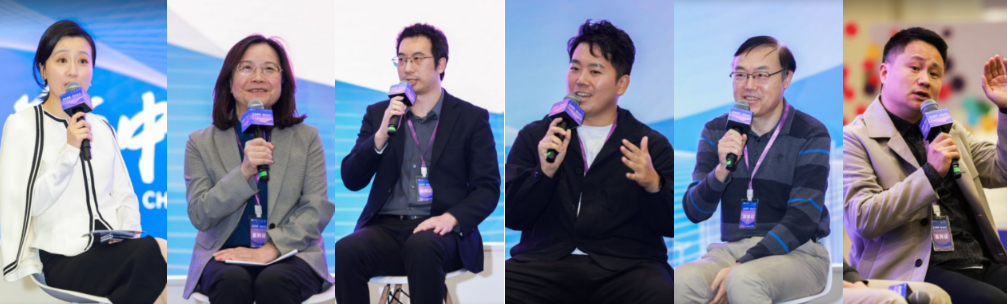
The experts explored key topics from perspectives including clinical practice, technological innovation, and capital investment, delving into areas such as how data can empower the upgrading of medical services and the clinical application of intelligent technologies. Their discussions provided diverse insights for the integrated development of “Smart + Health.”
VII. Successful Conclusion: Building Consensus and Opening a New Chapter for Smart and Digital Cities
The successful convening of the “Beautiful China · Smart Cities” 2025 Annual Conference of the Shanghai Key Laboratory of Urban Design and Urban Science not only provided a high-level platform for experts and practitioners to share insights and build consensus, but also clarified feasible pathways for high-quality urban development driven by smart and digital technologies through substantial cooperation agreements and key project announcements. The forum marks a solid step forward in China’s exploration of smart city development, contributing cutting-edge ideas and practical solutions to address urban challenges, enhance residents’ well-being, and advance the vision of “Beautiful China.”
VIII. List of Key Attendees and Participating Organizations
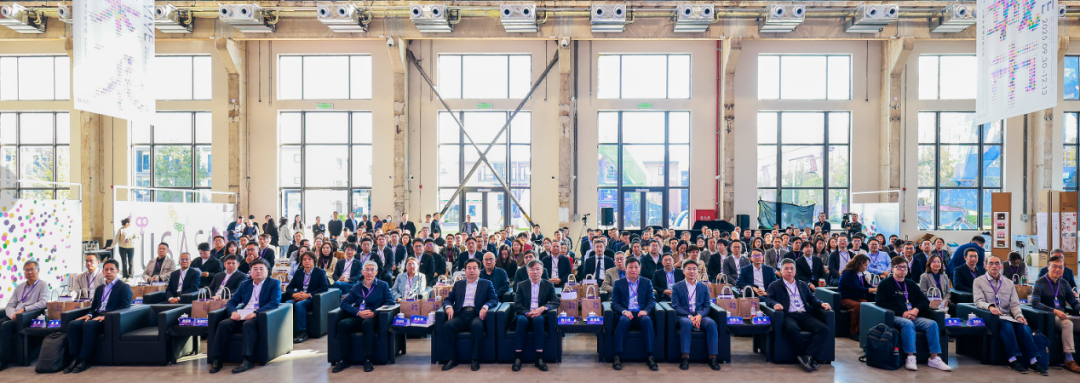
Representatives of the Host – Shanghai Key Laboratory of Urban Design and Urban Science: Founding Co-Directors Guan Chenghe and Li Ying, Senior Research Assistant Rong Yu, Executive Deputy Director Zhou Wei, Senior Researchers Wang Jun, Tian Shuai, Lin Ken, Chen Xiao, Chen Yang, Postdoctoral Fellow Zhou Yichun, Research Assistant Ji Luhua, and Office Directors Tao Lijie and Wang Jin, among others.
Representatives of Co-Hosts and Supporting Organizations: President of Shanghai Technology Exchange Yan Mingfeng; Chairman of Yangpu Riverside Group, Shanghai Guan Yuanfa; Co-Chair of the Executive Committee of Shanghai Climate Week and Director of the Prosperity Alliance Shanghai Center, UNITAR Zou Rong; Member of the Executive Committee of Shanghai Climate Week Zou Ruiping; Executive Secretary-General Rao Wei and Deputy Secretary-General Wang Zhe and Yang Yiqi of UNITAR Prosperity Alliance Shanghai Center; Executive Secretary-General of the Shanghai Climate Week Executive Committee Guan Jie; Executive Secretary-General of the Low-Carbon Economy Committee, Shanghai Modern Service Industry Federation Wang Wei; Coordination Representative of Shanghai Climate Week Liu Lele; Deputy Secretary-General of the Urban Ecological Chain Committee Li Jing; Chief Consultant of Shanghai Environment and Energy Exchange Liu Liang; Council Member of UNITAR Prosperity Alliance Climate Week Research Institute Kong Ye; President Zeng Ming, Vice Presidents Wu Shengji, Zhang Zhuoxun, and Senior Partners Liu Yin, Wang Huan, Chen Yi of Tongmu Architecture Group.
Corporate and Institutional Representatives: UBTECH Robotics Co., Ltd. (Shenzhen), Shenzhen Huantai Intelligent Co., Ltd., Guohong Hydrogen Energy Technology Co., Ltd., Guizhou Hanks Intelligent Technology Co., Ltd., National Technology Transfer Eastern Center, New Development Bank, Pair City, Beijing Minhe International Foundation, China Railway First Bureau, Shanghai Yiningju Technology Co., Ltd., Hangzhou Nuanxinjia Electronics Co., Ltd., Xinhua Hospital, Xinye Technology, Liyeyun, Huari Boshi, Runtu Investment, Shanghai Enkai Cell Technology Co., Ltd., Wuhan Xinzhongxin, State Grid Yingda Carbon Asset Shanghai Company, Yijian Technology Co., Ltd., Huaan Securities, XJ Relay, Shanghai Internet Software Group, Xiamen International Trust Co., Ltd., East China Xinhua Energy Investment Co., Ltd. / Shanghai Huineng Green Power Co., Ltd., Zhejiang Herun Technology Co., Ltd., Shanghai Sutong Information Technology Co., Ltd., among others.
- 21 views