
LOUD Organizes the “Earth Systems and Urban Resilience” Thematic Forum
Human societies are rapidly entering an era of longevity, and population aging is profoundly reshaping healthcare and caregiving, families and communities, urban infrastructure, patterns of work and retirement, and systems of finance and social protection. Against this backdrop, understanding population aging from an urban perspective and identifying pathways toward spatial governance and resilient development for a longevity society have become important concerns in urban research.
On September 17, the NYU Shanghai Global Institute for Longevity and Resilience was formally launched. Its inaugural conference featured four parallel thematic forums. The Shanghai Key Laboratory of Urban Design and Urban Science (hereinafter “LOUD”) organized the “Earth Systems and Urban Resilience” forum, which centered on the “15-minute living circle” and community-embedded eldercare. The forum brought together perspectives on spatial planning, cross-border public services, artificial intelligence and social simulation, and policy and industry practice.
Welcome Remarks
The forum opened with welcome remarks by Professor ChengHe Guan, Founding Co-Director of LOUD.
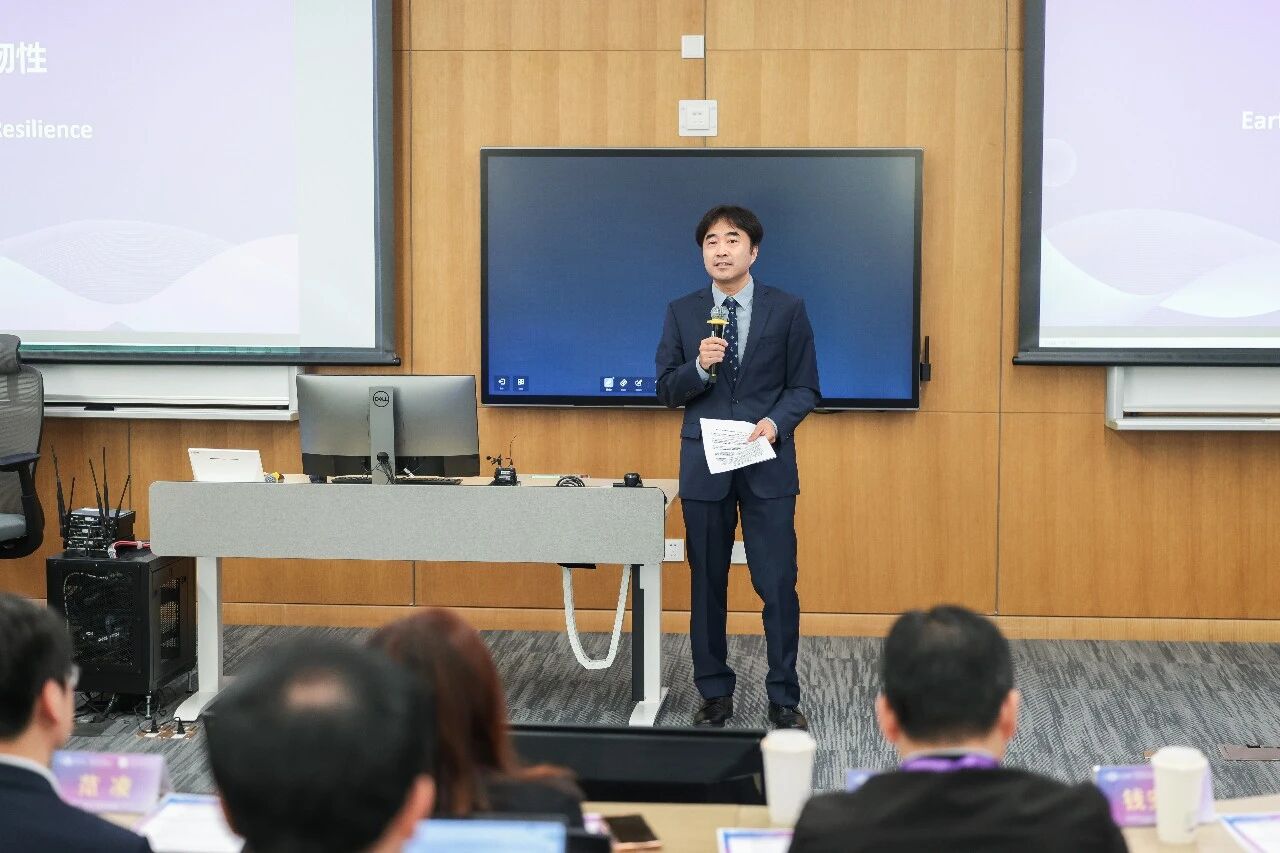
Professor Guan observed that as human societies enter an era of longevity, cities must strengthen the coordinated planning of eldercare facilities, community living circles, and healthcare and caregiving resources. Doing so is necessary both to respond to shifting demographic structures and care needs and to enhance the capacity of urban systems to adapt to long-term demographic change. He expressed the hope that the interdisciplinary platform provided by the NYU Shanghai Global Institute for Longevity and Resilience would consolidate existing partnerships while further advancing research collaboration, project-based practice, and talent development, thereby providing more systematic research and practice-based support for issues associated with a longevity society.
The forum was moderated by Yichun Zhou, a Postdoctoral Fellow at LOUD.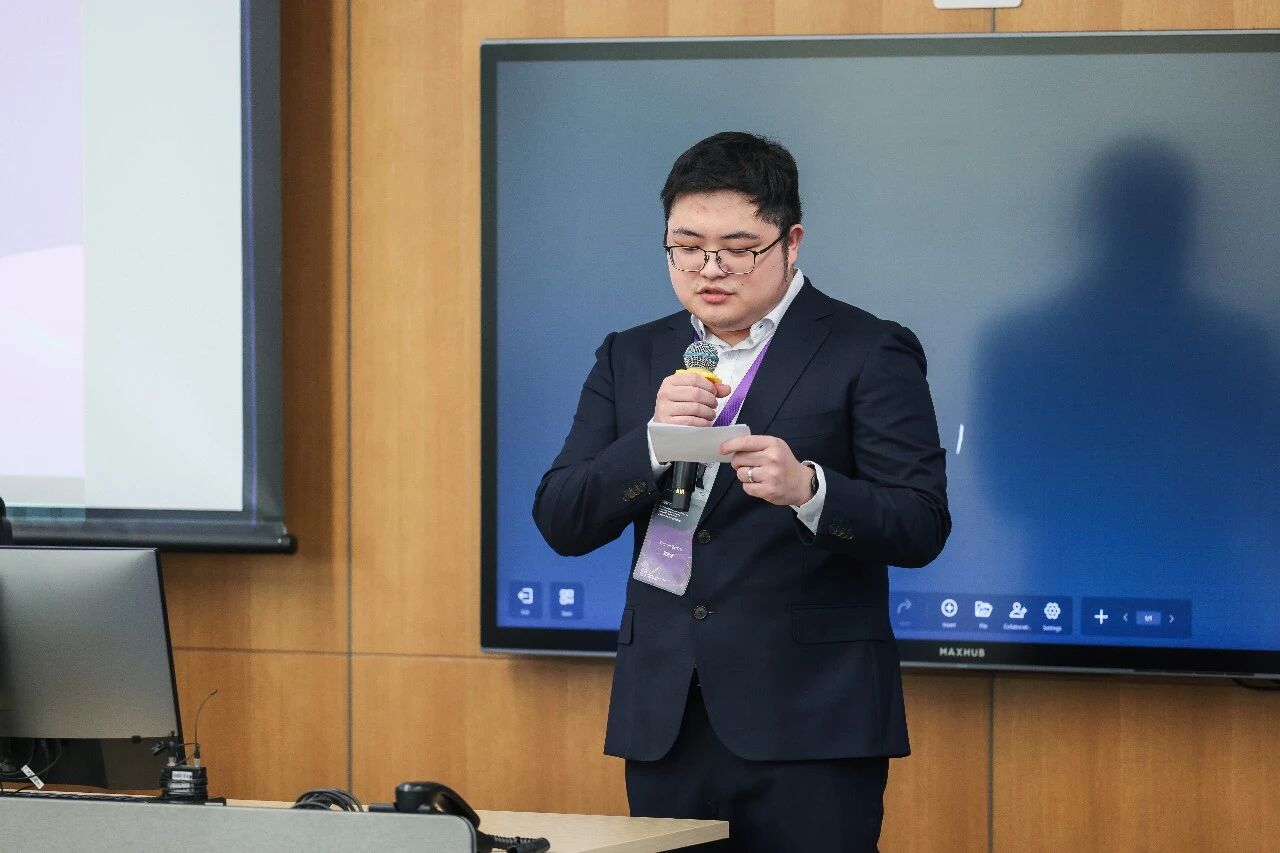
Keynote Address I
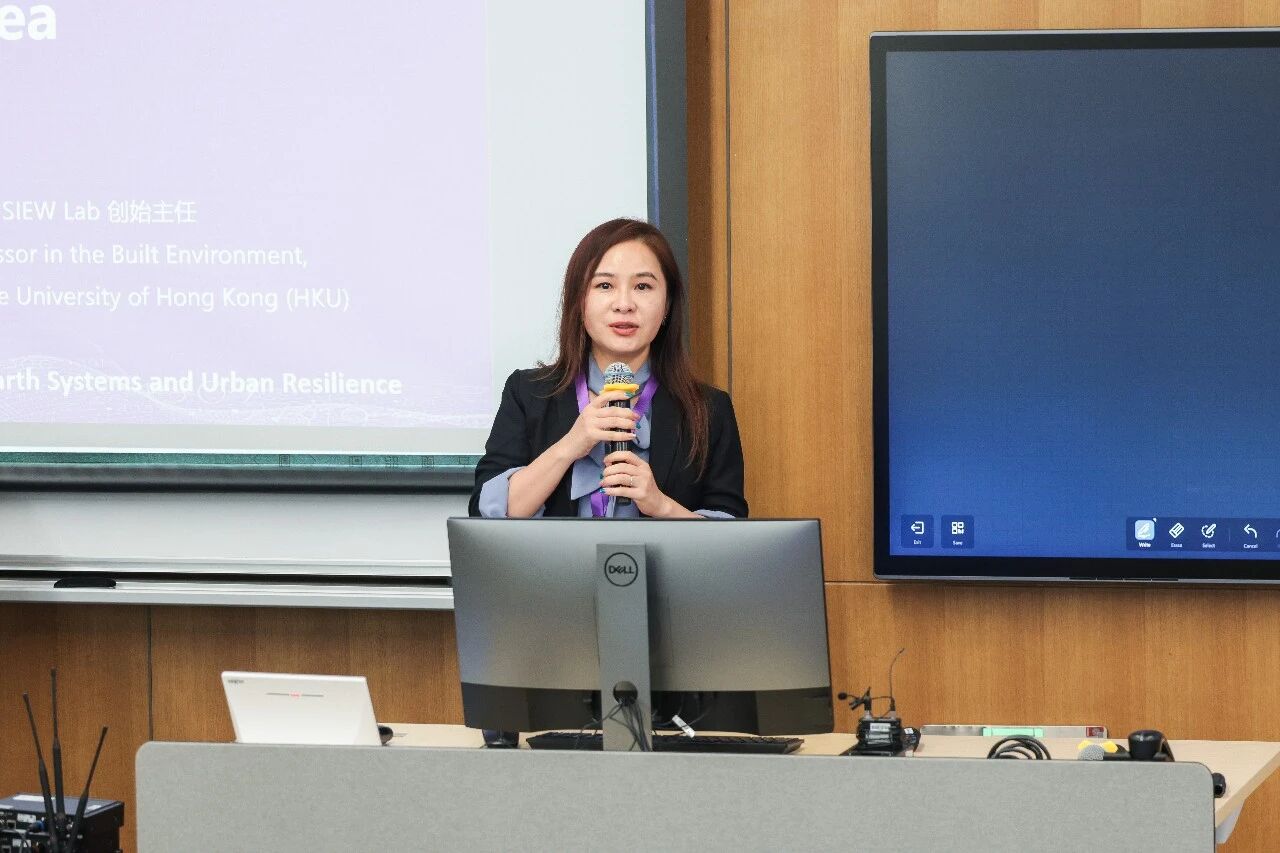
Infrastructuring Cross-Border Elderly Care in the Greater Bay Area: A Social-Infrastructure Perspective
Professor Shenjing He, Head of the Department of Urban Planning and Design, Lady Edith Kotewall Professor in the Built Environment, and Founding Director of the Social Infrastructure for Equity and Wellbeing Lab at the University of Hong Kong, noted that Hong Kong faces intersecting challenges, including accelerating population aging and constrained provision of eldercare services. Approximately 100,000 older Hong Kong residents are already receiving care across the border in Guangdong Province. Cross-border eldercare is therefore not simply a matter of relocating care facilities; it is a systemic issue encompassing healthcare, welfare, institutions, community, and emotional attachment. Professor He’s team introduced a discourse–technology–affect (D–T–A) triple-helix framework that conceptualizes cross-border eldercare as a form of social infrastructure constituted jointly by policy narratives, technological and institutional arrangements, and older people’s emotional experiences. The study also proposed the four-dimensional SIEW governance framework, grounded in Security, enabled by Innovation, supported through Empowerment, and ultimately oriented toward Wellbeing. The framework emphasizes that cross-border eldercare cannot depend solely on physical infrastructure such as residential care homes. It must also dismantle institutional barriers, strengthen continuity across services, and attend to older people’s agency and lived experience, thereby moving eldercare toward a more equitable, integrated, and sustainable model.
Keynote Address II
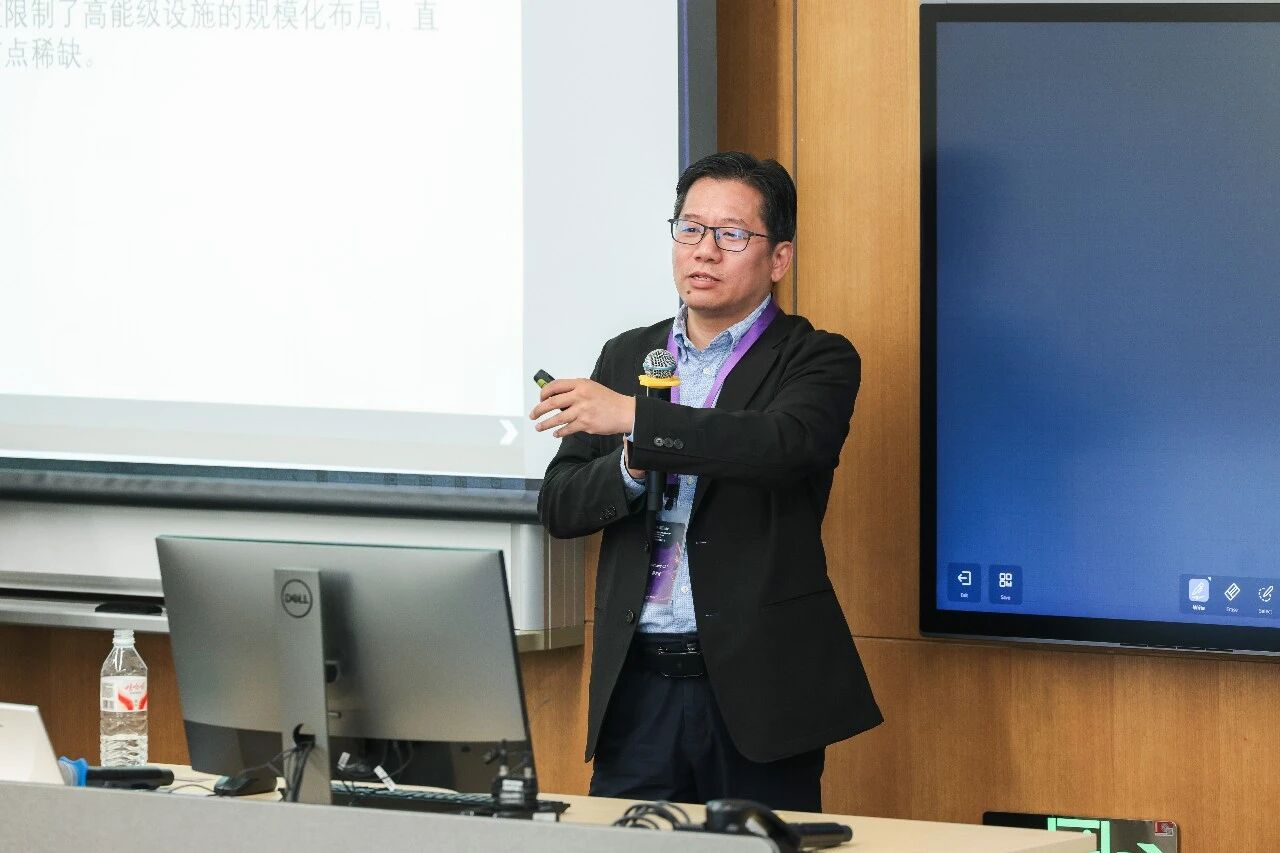
Research on the Spatial Distribution and Functional Matching of Community-Embedded Professional Elderly Care Facilities within a 15-Minute Living Circle: A Case Study of Central Shanghai
Professor Cai Zhichang, Vice Dean of the School of Architecture at Nanjing Tech University, presented an empirical study of the spatial distribution and actual service capacity of eldercare facilities in Shanghai. Focusing on senior care homes and adult day-care centers in the city’s central urban area, the study combined ArcGIS network analysis, an enhanced two-step floating catchment area method (2SFCA), and Thiessen polygons with fieldwork at forty facilities to examine facility distribution, service accessibility, and the correspondence between planning intentions and actual operations. The findings revealed marked spatial disparities in central Shanghai. Facilities were relatively concentrated in the core areas of Puxi, where service coverage was comparatively high; in parts of Pudong, facilities formed a linear pattern along the Huangpu River, yet service gaps remained. Importantly, spatial accessibility does not necessarily translate into effective availability. Some full-time care facilities were operating at high levels of capacity utilization, while day-care centers differed in their ability to admit older adults living with dementia. On this basis, Professor Cai recommended moving beyond fixed service radii toward a tiered and flexible approach. He proposed enhancing eldercare capacity through small-scale renewal of existing spaces, functional integration, and the dynamic allocation of resources, while exploring flexible arrangements such as shuttle services in peripheral areas.
Keynote Address III
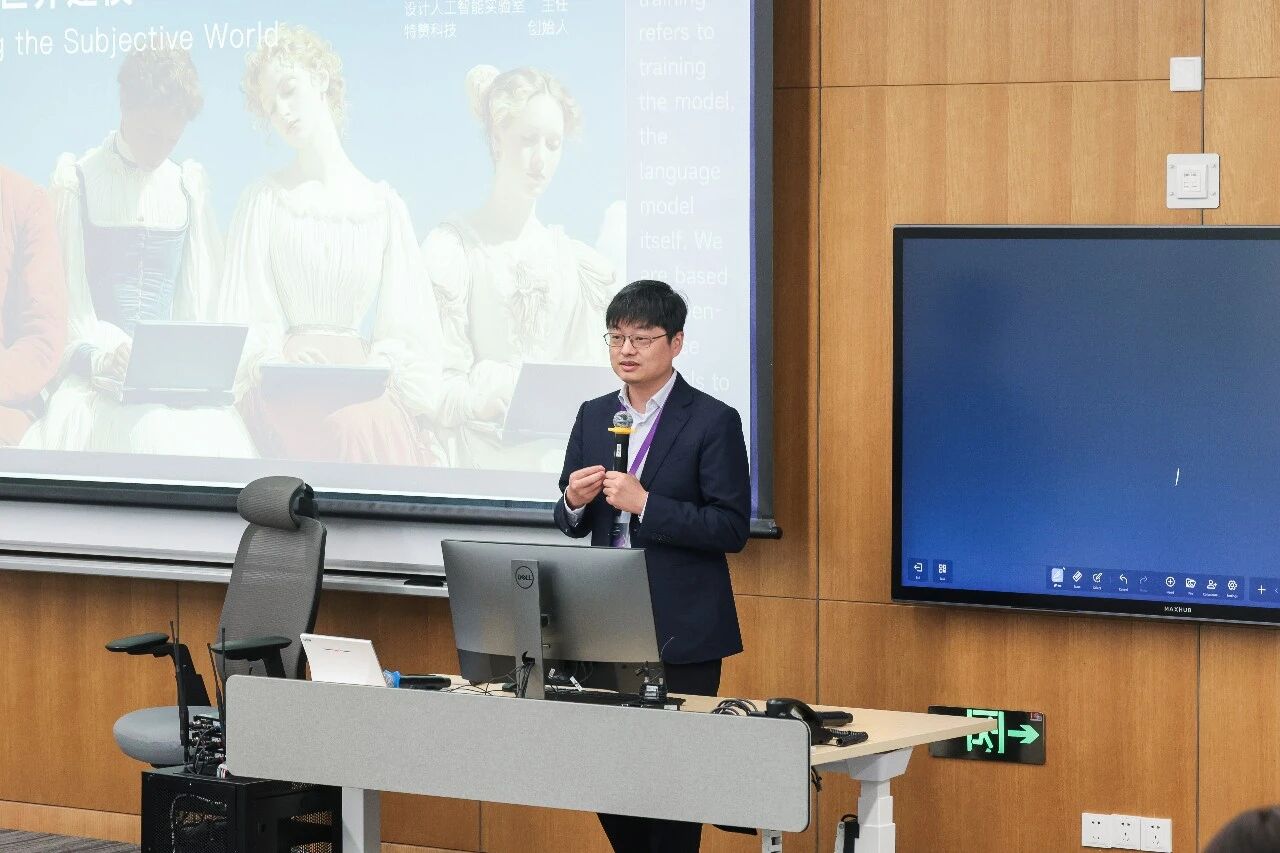
Modeling the Subjective World
Professor Fan Ling, Professor of Design and Artificial Intelligence at Tongji University and Founder and Chief Executive Officer of Tezign, noted that many social challenges—including urban governance and population aging—have the characteristics of wicked problems. Such problems can neither be fully defined nor conclusively solved; they can only be improved provisionally. Simulation modeling is one important means of engaging with this complexity. Conventional models have generally focused on the physical world and objective regularities. With the development of large language models, artificial intelligence has created new possibilities for modeling and simulating the subjective worlds of human beings. Professor Fan’s team has sought to construct AI agents with differentiated characteristics from population-level and individual-level data, simulating individual decision-making across four dimensions: expression, narrative, cognition, and behavior. Multi-agent simulation environments make it possible to observe how individuals behave differently under specified conditions. This approach offers a new research pathway for the study of aging and cities. In different eldercare settings, for example, older adults facing similar objective circumstances may make entirely different choices because of differences in cognition, life experience, economic circumstances, and social relationships. The potential value of AI simulation lies in its capacity to explain such individual variation and to enable scenario-based testing of alternative policy or spatial interventions.
Roundtable Discussion
Spatial Distribution of Community-Embedded Professional Elderly Care Facilities in 15-Minute Community Life Circles
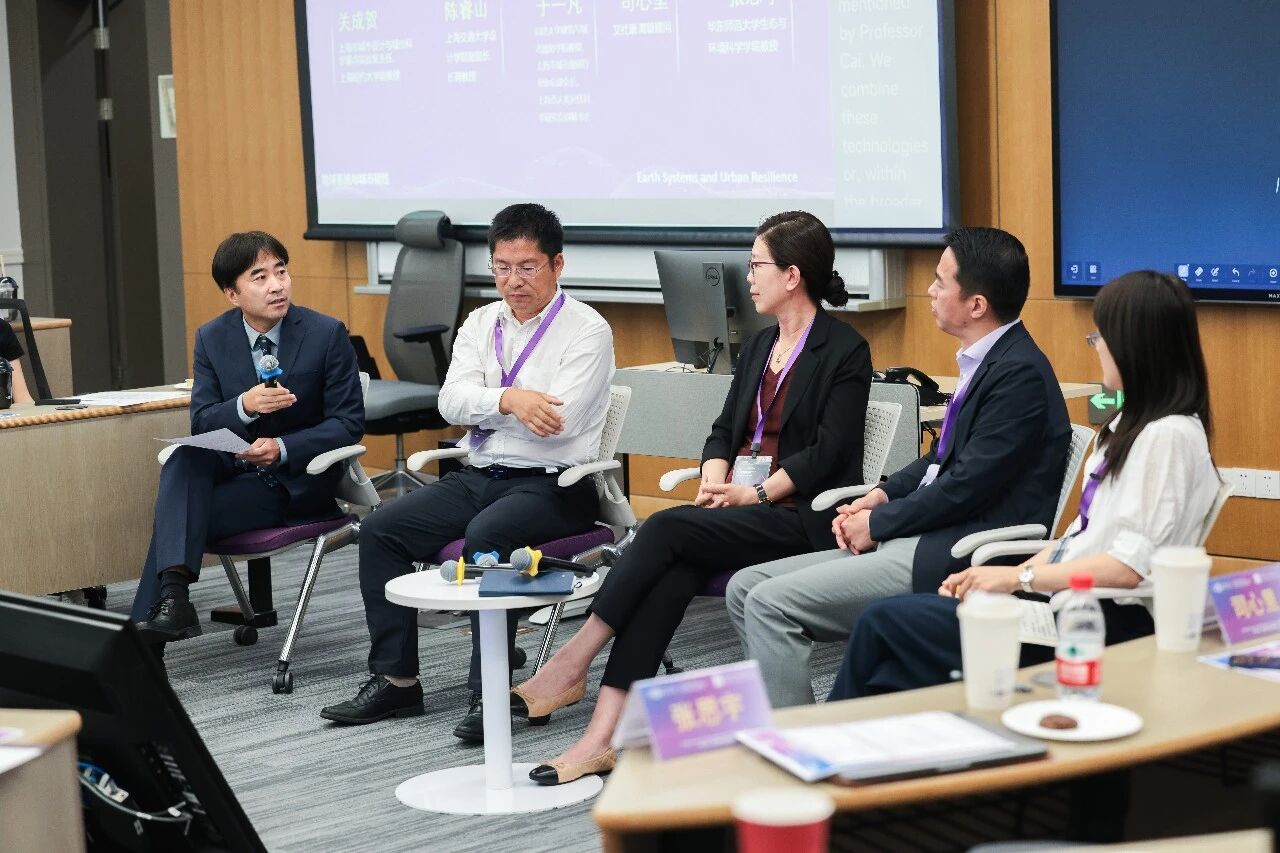
The roundtable was moderated by Professor ChengHe Guan, Founding Co-Director of LOUD. Participants included Ruishan Chen, Vice Dean and Tenured Professor at the School of Design, Shanghai Jiao Tong University; Professor Yifan Yu of the College of Architecture and Urban Planning at Tongji University, Vice President of the Shanghai Urban Planning Trade Association, and Deputy Secretary-General of the Shanghai Society of Human Settlements; Xinli Si, Senior Advisor at ACCESS Health International; and Professor Siyu Zhang of the School of Ecological and Environmental Sciences at East China Normal University.
The experts examined age-friendly spatial development, shifts in eldercare policy, the challenges of eldercare in urban and rural areas, and technology-enabled care from perspectives spanning climate change, the ecological environment, healthcare, policy governance, and industry practice. Their discussion offered interdisciplinary and plural perspectives on the development of an aging society and the improvement of China’s eldercare system.
Closing Remarks
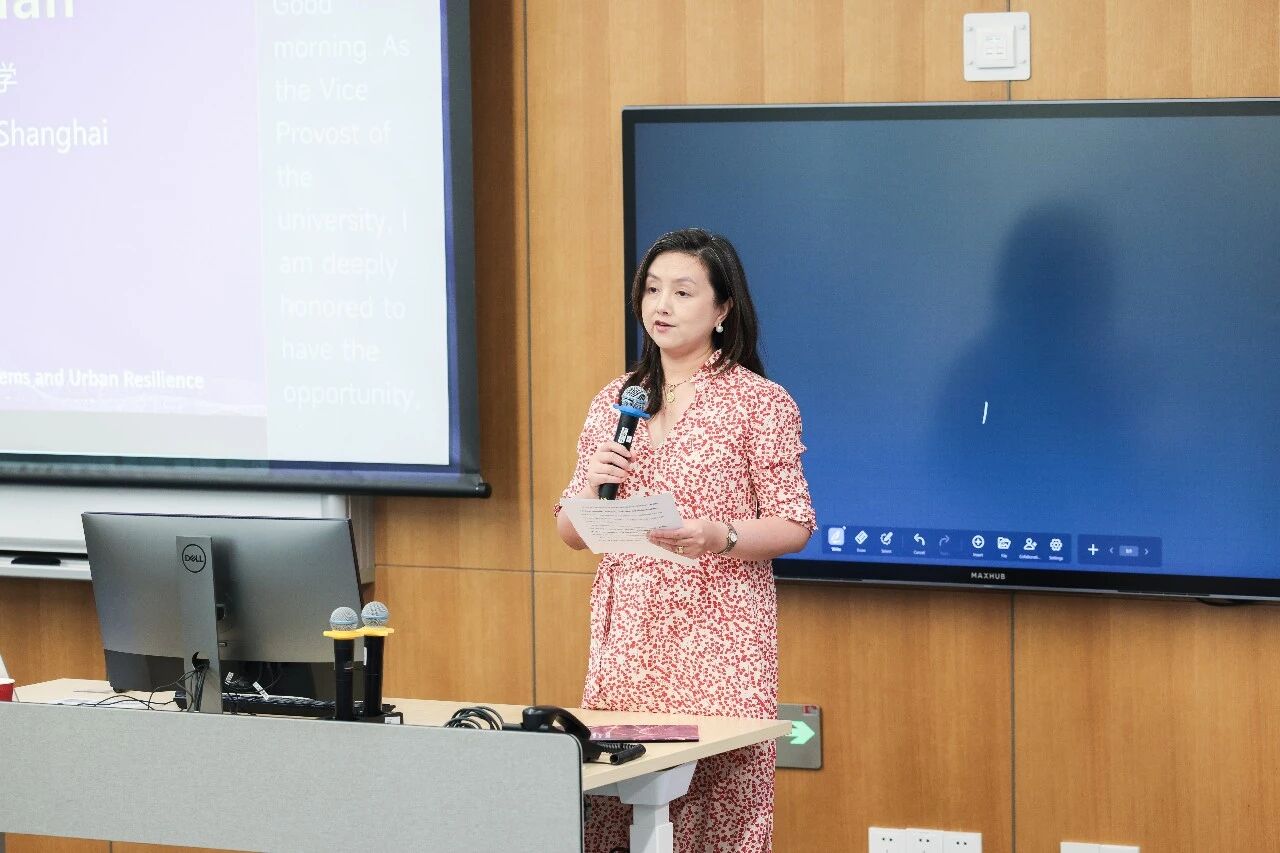
The forum concluded with remarks by Anqi Qian, Vice Provost for Research at NYU Shanghai. She emphasized that the spatial distribution of eldercare facilities is not a question confined to a single discipline, but an integral component of urban-system resilience. This understanding also underpins NYU Shanghai’s establishment of the Global Institute for Longevity and Resilience. As one of the Institute’s four research hubs, “Earth Systems and Urban Resilience” examines how cities can sustain their adaptive capacity over the long term amid environmental change and demographic transition. NYU Shanghai is committed to interdisciplinary research and to translating research findings into policy and practice. Qian expressed the hope that the ideas generated by the forum would develop into sustained and substantive collaboration, and affirmed that the University would continue to support the Key Laboratory, the new Institute, and international cooperation.
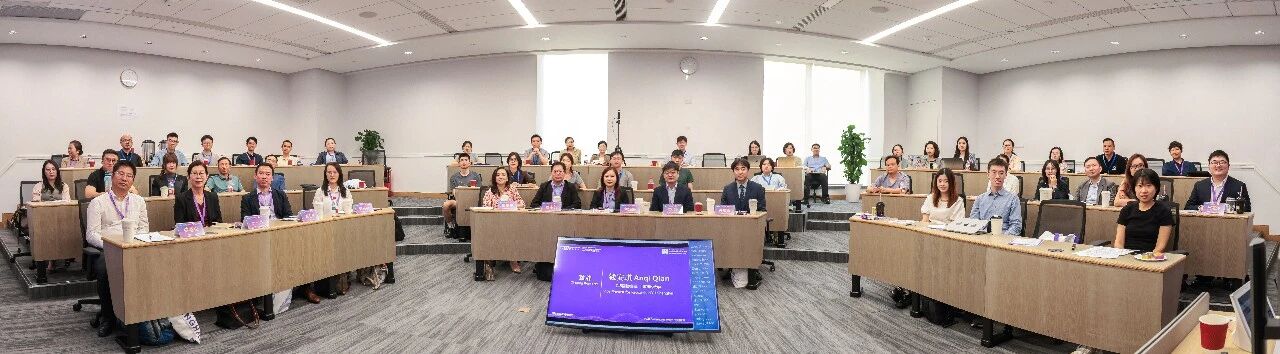
Taking eldercare as a concrete point of departure, the “Earth Systems and Urban Resilience” thematic forum connected urban planning, healthcare, the social sciences, artificial intelligence, and public governance, providing an interdisciplinary platform for further inquiry into urban resilience in the era of longevity. Looking ahead, LOUD will continue to draw on the NYU Shanghai Global Institute for Longevity and Resilience to advance academic research, international collaboration, and the translation of research into practice across these fields, while jointly exploring new pathways for urban development in a longevity society.
- 27 views