
LOUD Hosts the Third Event in the “Sports and Urban Development” Series
Sport is closely connected not only to individual health and lived experience, but also to urban public space, social communities, local culture, and regional economic development. As the concept of fitness for all continues to gain traction, an increasingly important question for urban research and practice is how sport can be integrated into urban space and everyday life, and how physical activity can foster social interaction, invigorate cities, and advance local development.
On October 15, the Shanghai Key Laboratory of Urban Design and Urban Science (hereinafter “LOUD”), together with the NYU Shanghai Global Institute for Longevity and Resilience, the Dongxia Running Training Camp, and Saucony, hosted the third event in the “Sports and Urban Development” series. Organized around the theme “One Person, One Pair of Shoes, One Trail, One Camp,” the event combined a panel discussion with thematic presentations to examine the interplay between sport and the city from multiple perspectives, including individual experiences of physical activity, the development of running communities, urban public space, and culture-and-tourism development at the county level. It also considered how individuals, communities, and cities can enable one another to flourish through shared practice.
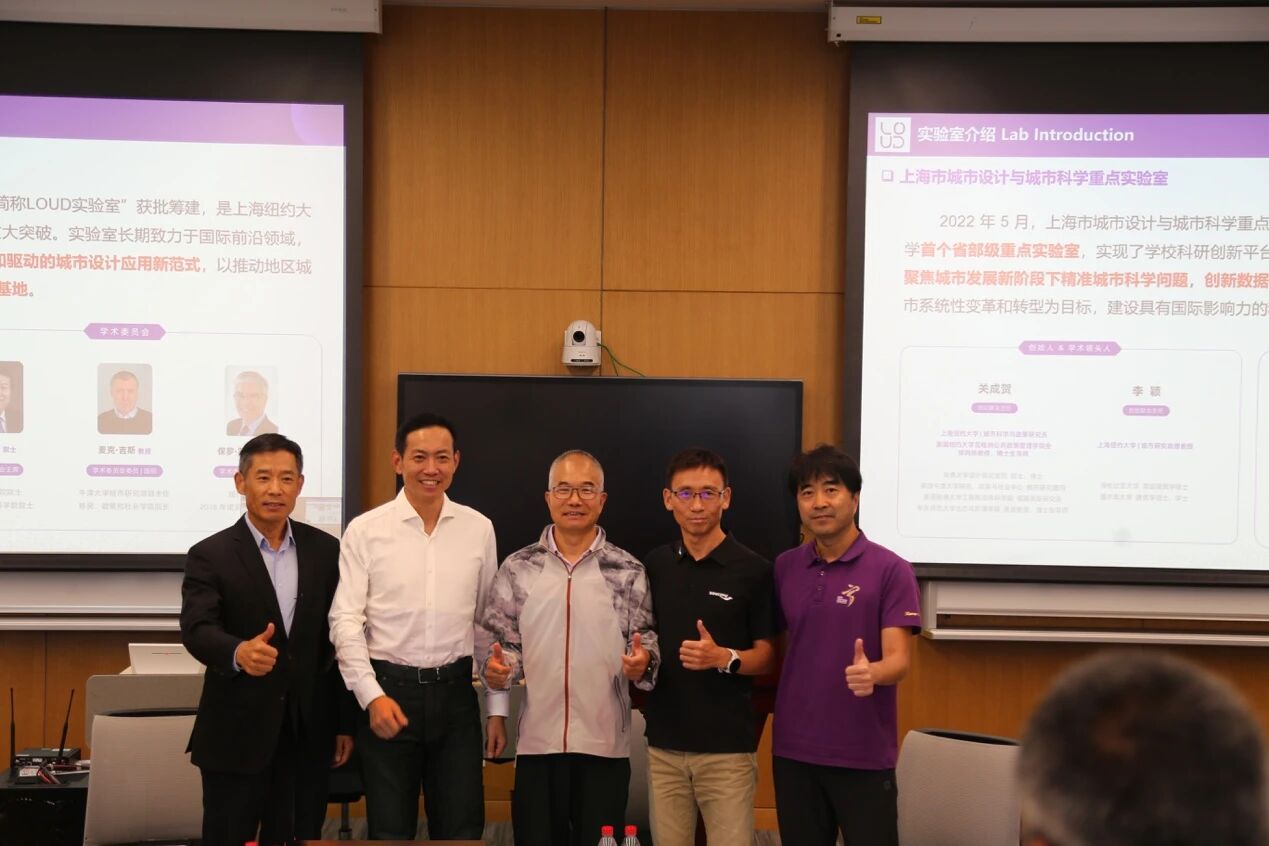
Panelists, from left: Li Wen, Jin Hui, Yang Yucheng, Wang Jiadong, and ChengHe Guan
Panel Discussion
The panel discussion addressed two topics: “The Birth of a Training Camp: What Enables a Passion for Running to Take Root in Shanghai?” and “One Step, One City: How the Details of Running Reveal the Mutual Flourishing of Cities and Individuals.” The discussion was moderated by Yang Yucheng, Chairman of Shanghai Yiyuan Private Fund Management Co., Ltd.
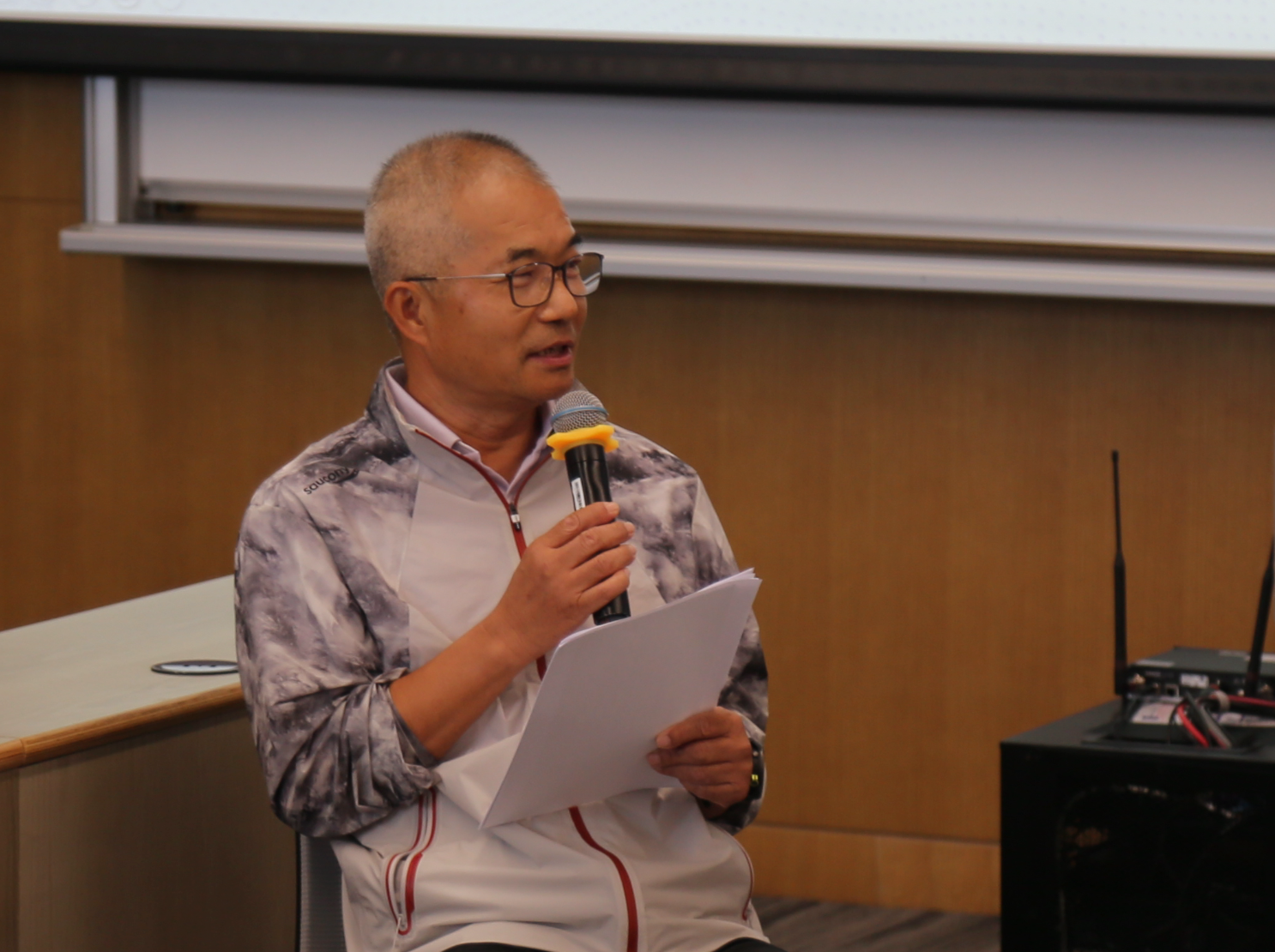
Yang Yucheng, Chairman of Shanghai Yiyuan Private Fund Management Co., Ltd.
Drawing on the eight-year development of the Dongxia Running Training Camp, Li Wen, Chairman Emeritus of China Universal Asset Management Co., Ltd. and Vice President of the Shanghai Road Running Association, shared his observations on organizational models for running communities. He emphasized that a running group built around existing personal ties and one open to the general public should not be understood as two stages in a simple process of organizational transformation; rather, they are distinct organizational forms with different purposes and boundaries. Over the course of sixteen seasons, the Dongxia Running Training Camp has expanded in membership, demographic composition, and geographic reach. It has also gradually developed a charter, mechanisms governing membership entry and exit, systematic training programs, and channels for routine communication, thereby cultivating a community culture that combines professional rigor with social warmth. Discussing the relationship between running and urban development, Li invoked China Universal’s belief in “the power of the long term,” noting that both running and long-term investment require patience, discipline, and sustained commitment. Running contributes not only to individual physical and mental health; through race organization, corporate culture-building, and public participation in urban life, it can also enrich a city’s civic ethos and cultural character.
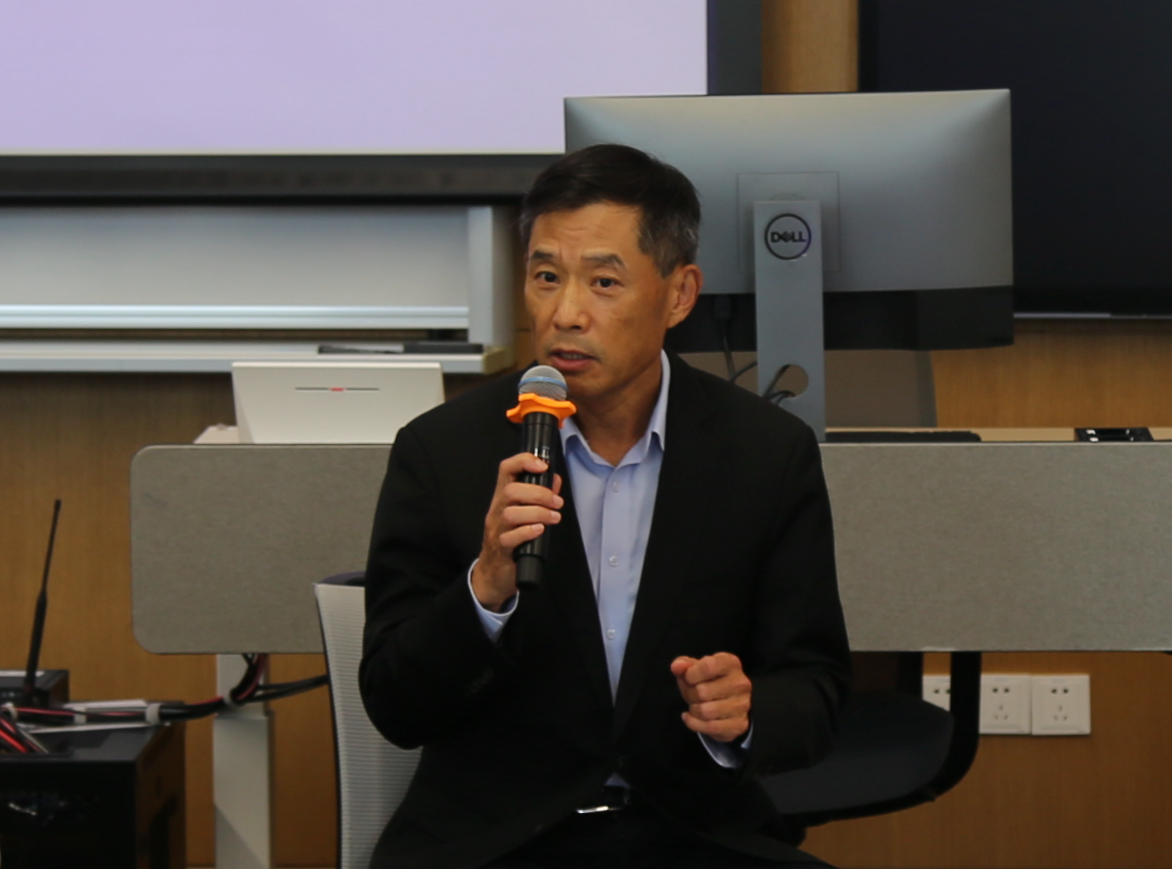
Li Wen, Chairman Emeritus of China Universal Asset Management Co., Ltd. and Vice President of the Shanghai Road Running Association
Jin Hui, Chief Executive Officer of H World Group, drew on his experience in hotel-brand management and running-community initiatives to argue that a community is fundamentally sustained by shared interests and values, voluntary participation, and continued interaction. When commercial brands participate in community-building, they should clearly define the limits of their involvement and avoid excessive intervention in content creation and internal communication, which may erode trust and cohesion among members. Collaboration between brands and communities should be grounded in compatible values, with brands supporting communities through race services, equipment, and other complementary resources rather than supplanting their capacity for self-organization and decision-making. Turning to organizational continuity, Jin observed that central figures often play a decisive role in a community’s formative stages, but that long-term development ultimately depends on the accumulation of a shared culture and the establishment of appropriate organizational mechanisms. The Dongxia Running Training Camp has a distinctive identity that would be difficult to replicate. Drawing on his experience of overseas marathons, he further noted that historical depth, community participation, and cultural diversity collectively shape a city’s sporting culture. While retaining its pragmatic character and respect for boundaries, Shanghai could do more to foster an open, inclusive, and participatory environment for sport.
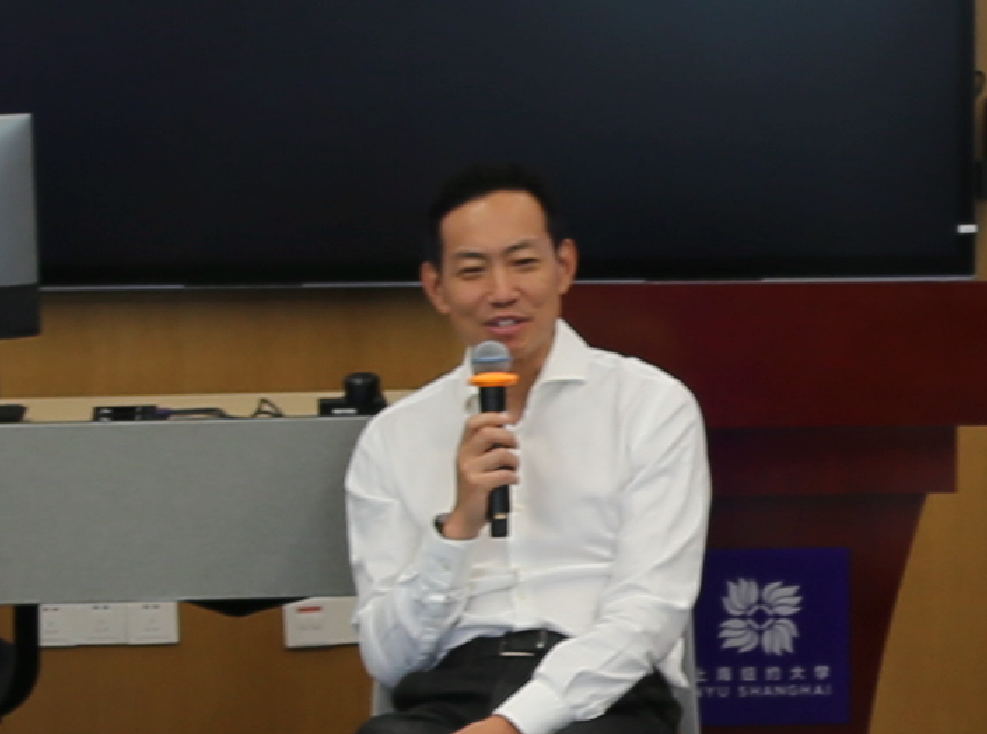
Jin Hui, Chief Executive Officer of H World Group
Wang Jiadong, Chairman of Shanghai Tianxingjian International Logistics Co., Ltd., argued that a running community should be founded on shared values, including self-discipline, health, integrity, kindness, mutual assistance, and a willingness to share. Sport itself, he stressed, must remain the community’s central concern rather than being overshadowed by social or commercial activities. An ideal sporting community not only enables its members to motivate one another, learn, and grow, but also fosters emotional bonds that extend beyond sport through sustained interaction. Discussing Shanghai’s running culture, Wang observed that the city’s runners generally perform at a high level, value substantive achievement, maintain a strong sense of boundaries, and are less inclined to treat running as a social-media persona. Comparing Shanghai’s parks with those in Berlin, New York, and Madrid, he suggested that the city still has room to improve the design of spaces for physical activity and to cultivate a greater sense of ease in public space. As the Shanghai Marathon advances toward becoming an Abbott World Marathon Majors event, its development is expected to stimulate further investment in urban sports facilities and create a virtuous cycle in which improvements to public space and residents’ demand for physical activity reinforce one another.
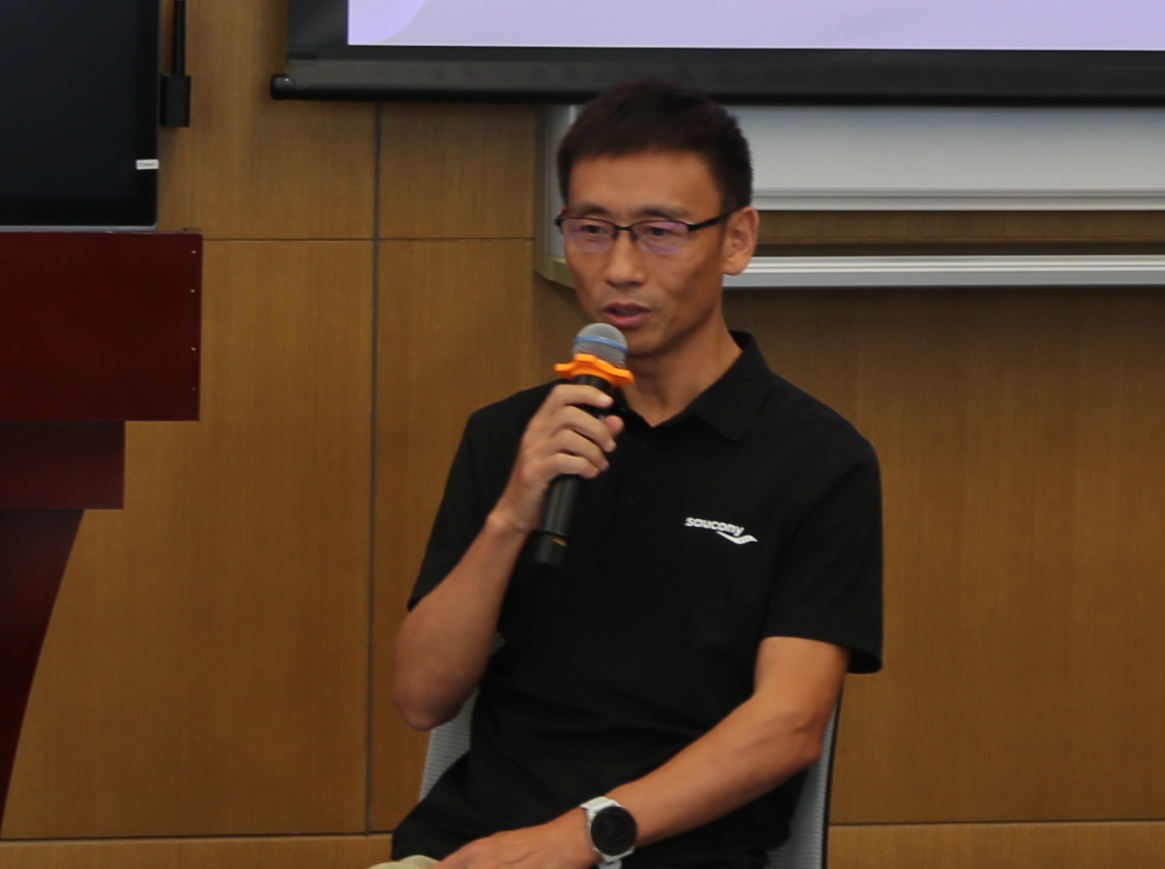
Wang Jiadong, Chairman of Shanghai Tianxingjian International Logistics Co., Ltd.
Professor ChengHe Guan, Founding Co-Director of LOUD, examined the relationship between running and urban infrastructure from the perspectives of urban research and spatial design. He noted that the running experience depends not only on visible physical settings such as waterfront paths, athletic grounds, and parks, but also on environmental conditions including building shade, temperature, sound, and smell. Although less immediately perceptible, these environmental factors likewise constitute urban infrastructure that shapes the experience of physical activity. Addressing residual urban spaces such as those beneath elevated roads, he drew on cases from Mumbai, New York, and Tokyo to analyze the relationship between spatial use, systemic planning, and long-term urban development. He emphasized that cities should meet present needs while preserving flexibility for future development. Building on the Laboratory’s research into “robot urbanization and embodied intelligence,” he further proposed that sensing and data-analytics technologies could eventually enable researchers to document and understand the spatial experiences of different runners with greater precision, providing an evidence base for urban planning and public-space design.
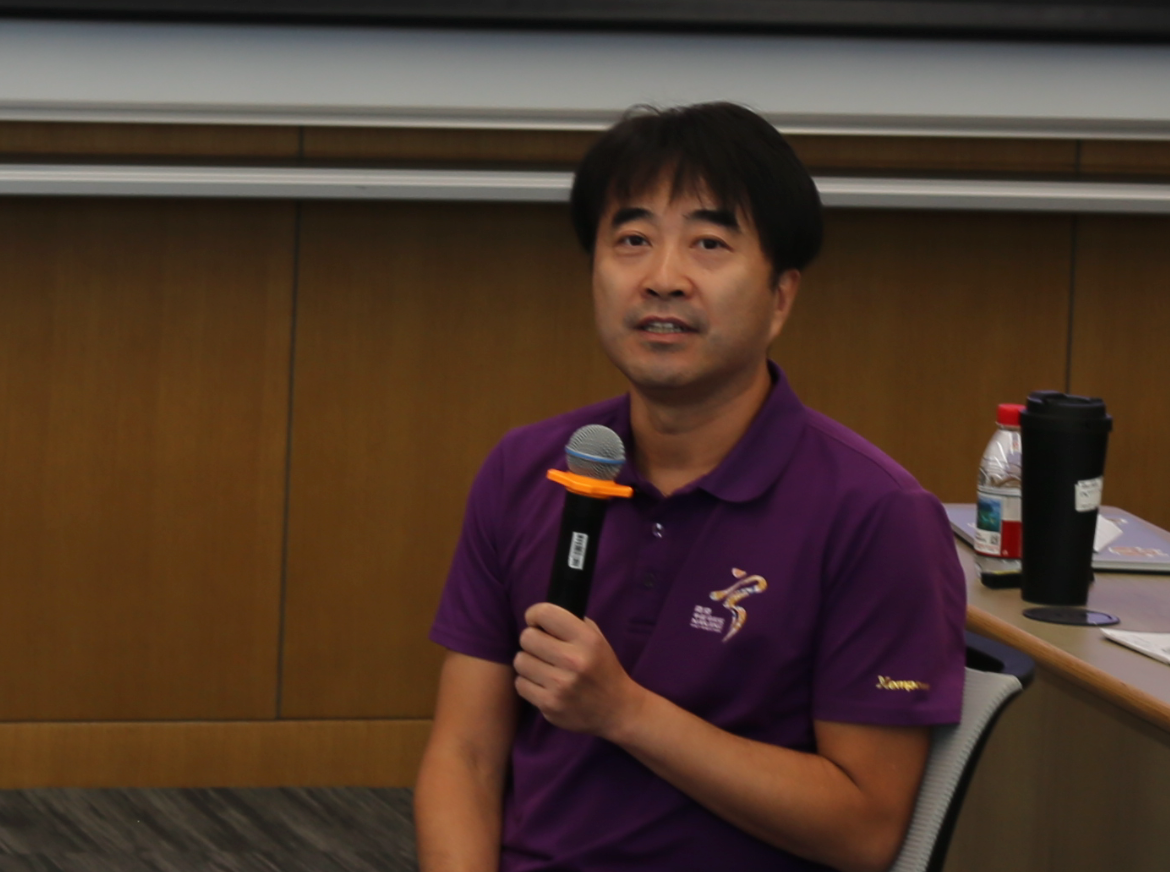
Professor ChengHe Guan, Founding Co-Director of LOUD
Thematic Presentations
The thematic presentation session was moderated by Lai Qingkun, Director of the Dongxia Running Training Camp.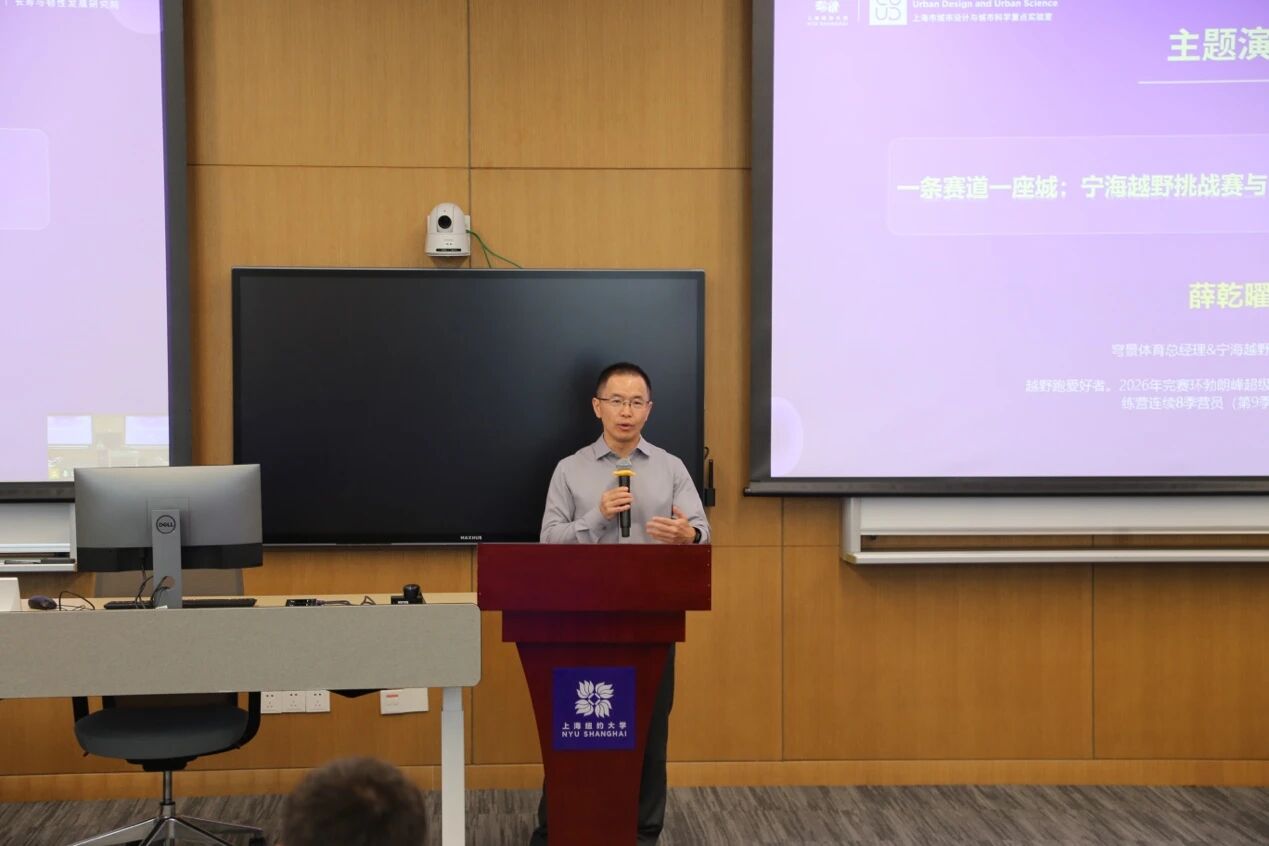
Lai Qingkun, Director of the Dongxia Running Training Camp
Thematic Presentation I—One Trail, One City: The Ninghai Trail Challenge as an Experiment in Symbiosis between Trail Racing and County-Level Culture and Tourism in China
Drawing on the operational experience of the Ninghai Trail Challenge, Xue Qianyao, General Manager of Qiongjing Sports and Race Director of the Ninghai Trail Challenge, discussed how trail races can contribute to local development. He explained that trail races bring sport into contact with local natural environments and cultural resources through course design, race programming, and participants’ experiences. Unlike conventional sightseeing in designated attractions, a trail race takes participants through a much broader territorial landscape, allowing them to encounter local culture while testing their own limits and creating new modes of participation in county-level tourism. Xue emphasized that the sustained development of an event depends not only on professional organization and operations, but also on a deep understanding of local resources and on efforts to integrate nature, culture, and the sporting experience. The value of a race should not be assessed solely by participation numbers or competitive results; attention should also be paid to its capacity to attract visitors, strengthen local residents’ sense of identification with place, and contribute to long-term local development. Through the coordination of event operations, local resources, and social participation, a trail can become more than a setting in which runners challenge themselves: it can serve as a connective tissue linking local culture, the natural environment, and social activity, and thereby open new pathways for county-level culture-and-tourism development.
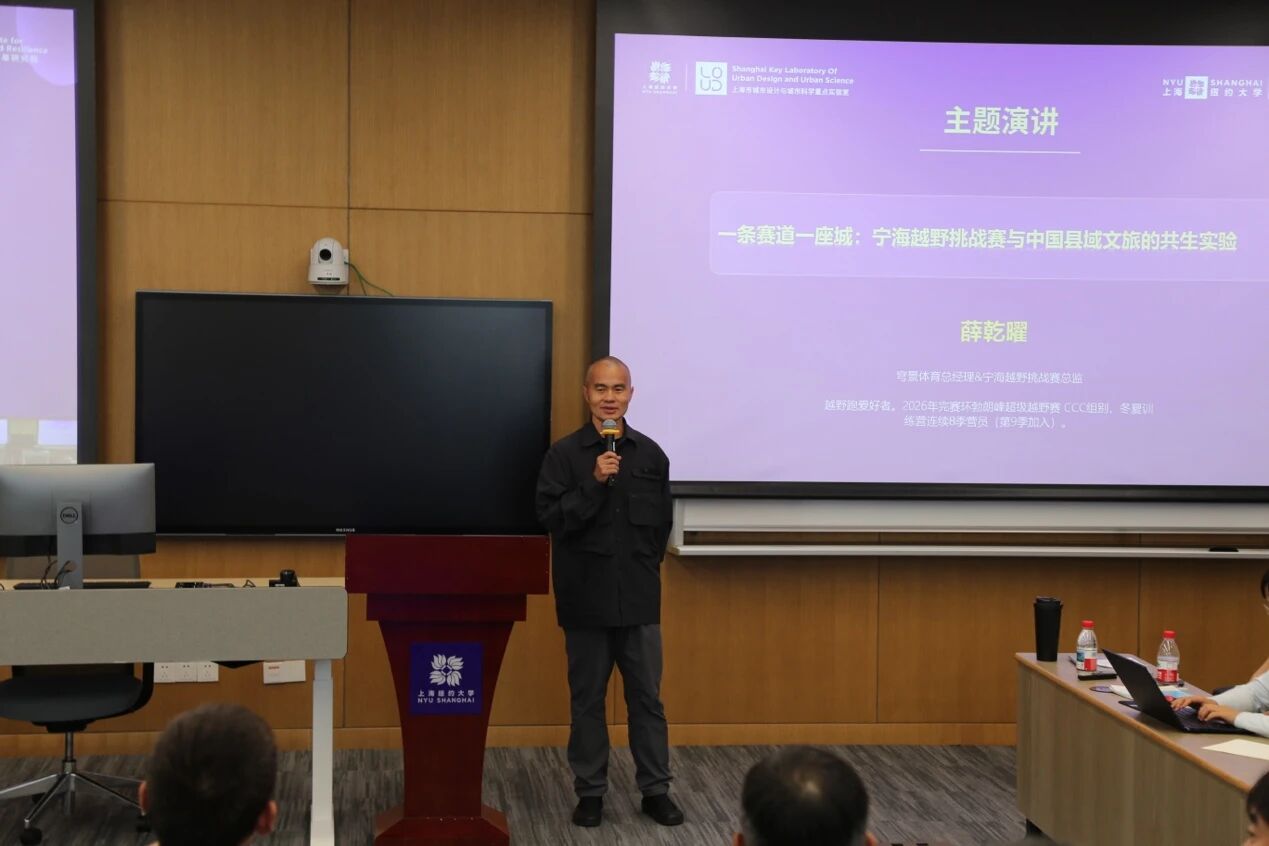
Xue Qianyao, General Manager of Qiongjing Sports and Race Director of the Ninghai Trail Challenge
Thematic Presentation II—One Runner, One Pair of Shoes: How Individuals and Sport Enable One Another to Flourish, Viewed through the Lens of a Sports Brand
Drawing on more than two decades of personal experience in sport and professional experience in brand development, Gao Hailian, Head of Sports and Community Marketing at Saucony, discussed the relationship among athletic equipment, runners’ development, and sporting communities. Recounting her progression from racewalking training to road running and long-distance trail running, she explained that running shoes are not merely essential equipment; they must also be selected with regard to an individual’s physical condition, training objectives, and sporting context. Differences in foot structure, training intensity, and racing requirements call for different functional and supportive properties. In her view, a brand’s value lies not only in product performance, but also in the support it provides for runners’ long-term participation and sustained training. Understanding runners’ actual needs and accompanying them throughout their development are essential to building enduring relationships. Reflecting on the partnership between the Dongxia Running Training Camp and Saucony, she further examined the relationship among the individual, equipment, and community: appropriate equipment supports athletic practice, sustained training advances individual development, and communities and brands provide platforms through which runners can communicate, share, and support one another. Together, these three elements form a mutually reinforcing relationship.
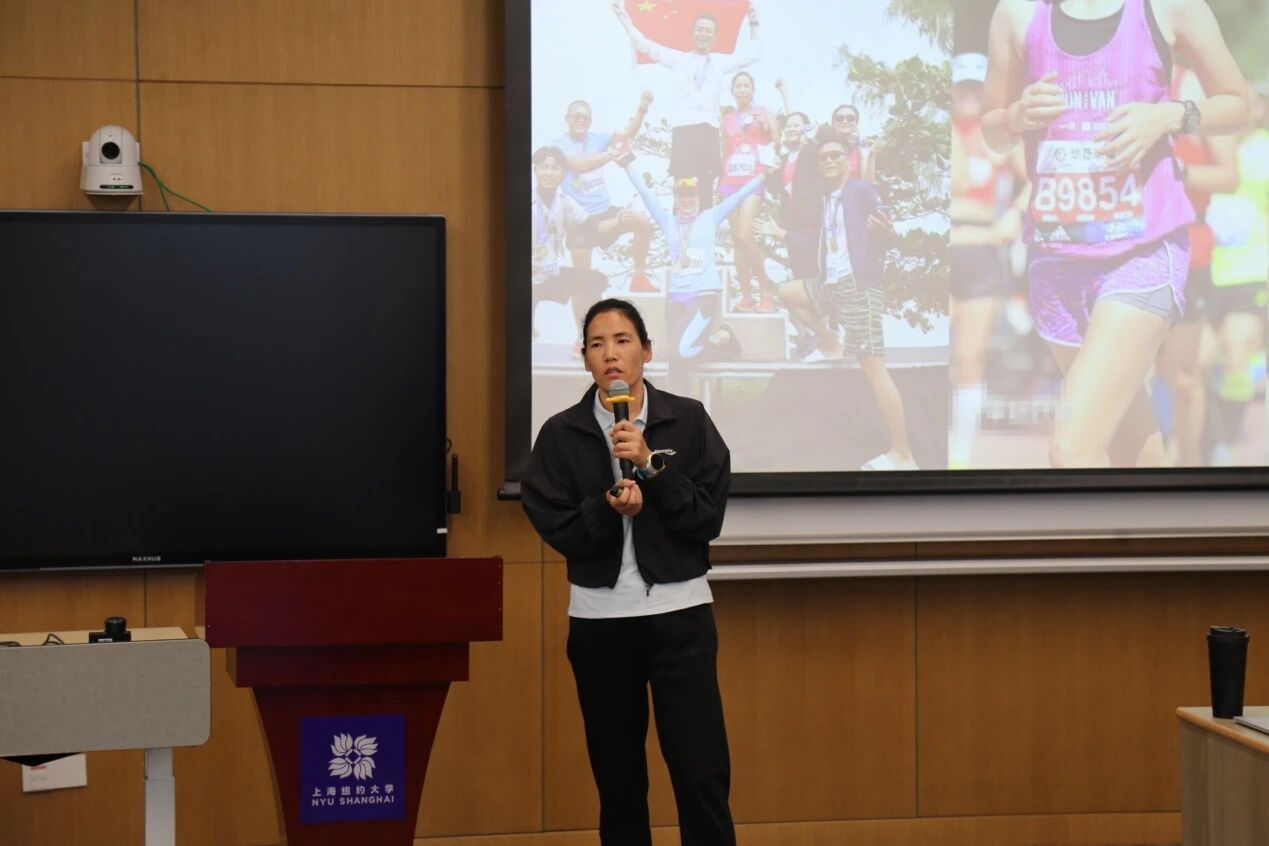
Gao Hailian, Head of Sports and Community Marketing at Saucony
Taking “One Person, One Pair of Shoes, One Trail, One Camp” as its point of departure, the third event in the “Sports and Urban Development” series connected individual experiences of physical activity with community organization, urban public space, and local culture-and-tourism development, highlighting both the distinctive appeal of running and its multiple contributions to urban life and regional development. Sport offers individuals a means of self-exploration and of enriching lived experience, while also serving as an important medium connecting people with one another and with the city. The roads, paths, green spaces, and athletic facilities on which running depends are not only elements of the city’s physical environment, but also vital spaces and forms of urban infrastructure that support everyday life, social interaction, and public activity. At the same time, enduring sporting communities and professionally organized races can create new possibilities for urban vitality and regional development by convening activities, bringing participants together, and connecting local resources.
As NYU Shanghai’s first provincial- and ministerial-level key laboratory and one of the four research hubs of the NYU Shanghai Global Institute for Longevity and Resilience, LOUD has long pursued urban research at the intersection of sport, health, and blue–green space. The Laboratory will continue to foster dialogue between urban science and the fields of sport, public space, and social development; explore further possibilities for integrating physical activity into urban planning and everyday life; and offer new research perspectives on improving the quality of urban space and advancing sustainable development.
- 23 views